Piece dyeing explained: how woven cotton is dyed by the roll
Most solid-colour cotton is dyed after weaving, as whole pieces of cloth. Here is how that works and when yarn dyeing is the better choice.
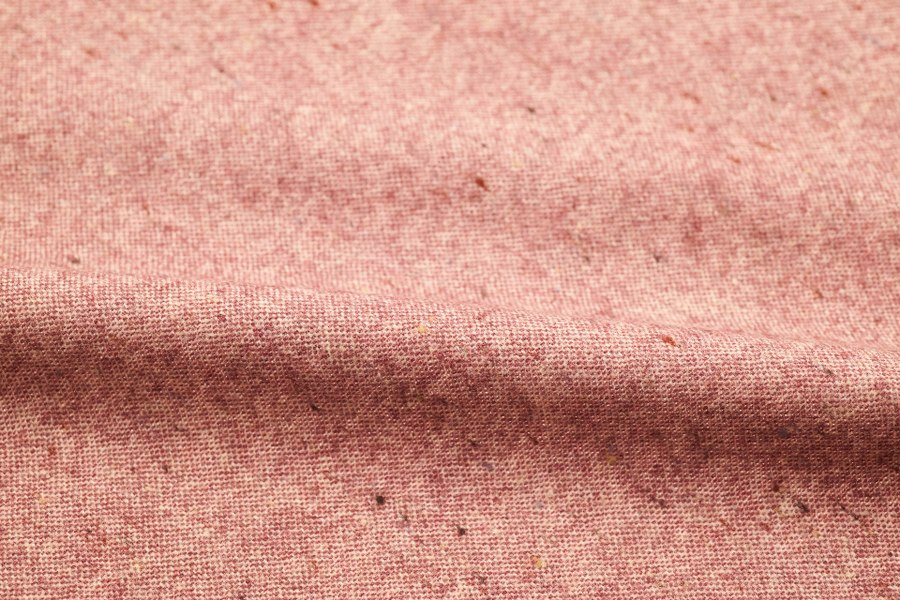
When a buyer asks for a cotton fabric in a solid colour, the cloth is almost always piece-dyed: woven first, in its natural undyed state, and then dyed as whole lengths of fabric. It is the most flexible way to colour woven cotton, and understanding it helps when you plan shades, quantities and lead times.
From greige cloth to dyed roll
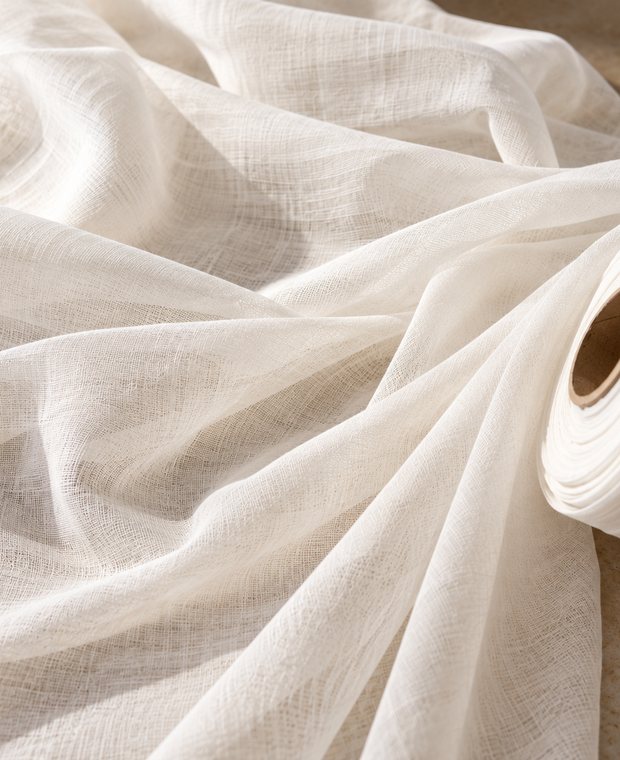
Fabric comes off the loom as greige (or grey) cloth: undyed, with the natural colour of cotton, sizing on the warp yarns and the oils and waxes the fibre grew with. Before it can take dye evenly, it goes through preparation:
- Desizing removes the size applied to the warp to protect it during weaving.
- Scouring removes natural waxes, pectins and dirt so the fibre absorbs liquid evenly.
- Bleaching gives a clean white base, so shades come out bright and consistent.
- Mercerising, where used, treats cotton with caustic soda under tension to add lustre, strength and dye uptake.
The prepared cloth is then dyed. For cotton the usual dye classes are reactive dyes, which bond chemically to the cellulose, and vat dyes, used where very high fastness is needed. After dyeing the fabric is washed off, dried and finished to its specified width and handle.
Rope or open width
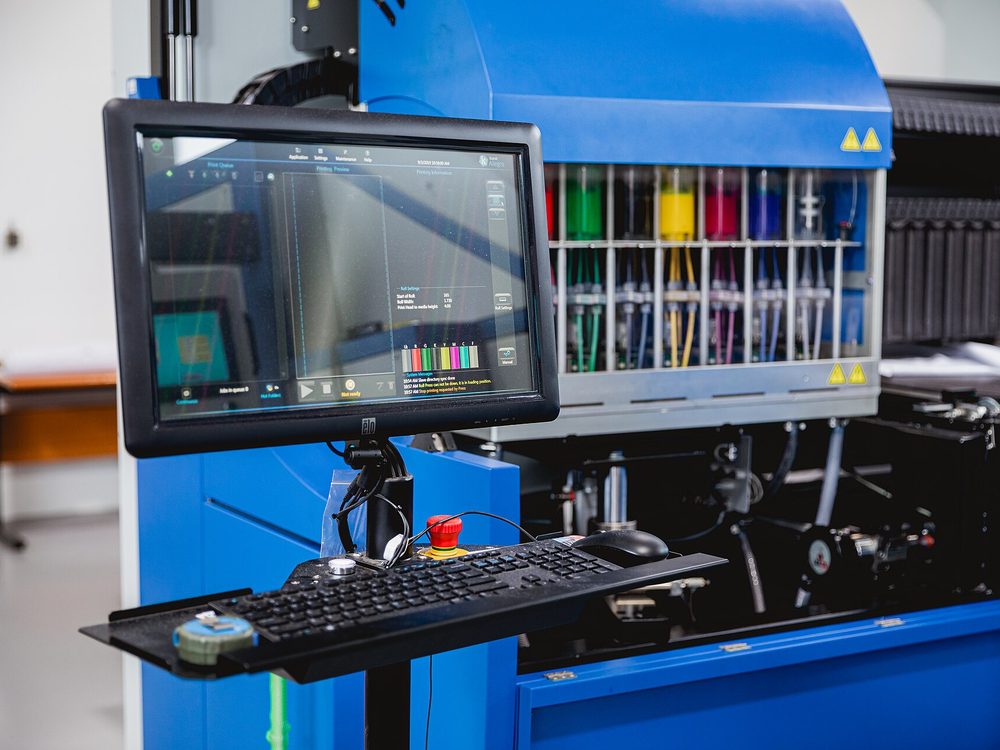
Piece dyeing machines fall into two broad groups. In rope dyeing, on jet or winch machines, the fabric is sewn into a loop and circulated through the dye bath as a loose rope. It is gentle, good for soft handles and suits many fabrics. In open-width dyeing, on jiggers or continuous pad lines, the fabric stays flat at full width, which avoids crease marks on firmer cloths and suits long runs of a single shade.
Which route a mill uses depends on the construction and weight of the cloth, the shade and the order size. The buyer does not usually need to specify it, but it explains why some fabrics are better suited to certain colours or lot sizes.
Piece-dyed vs yarn-dyed
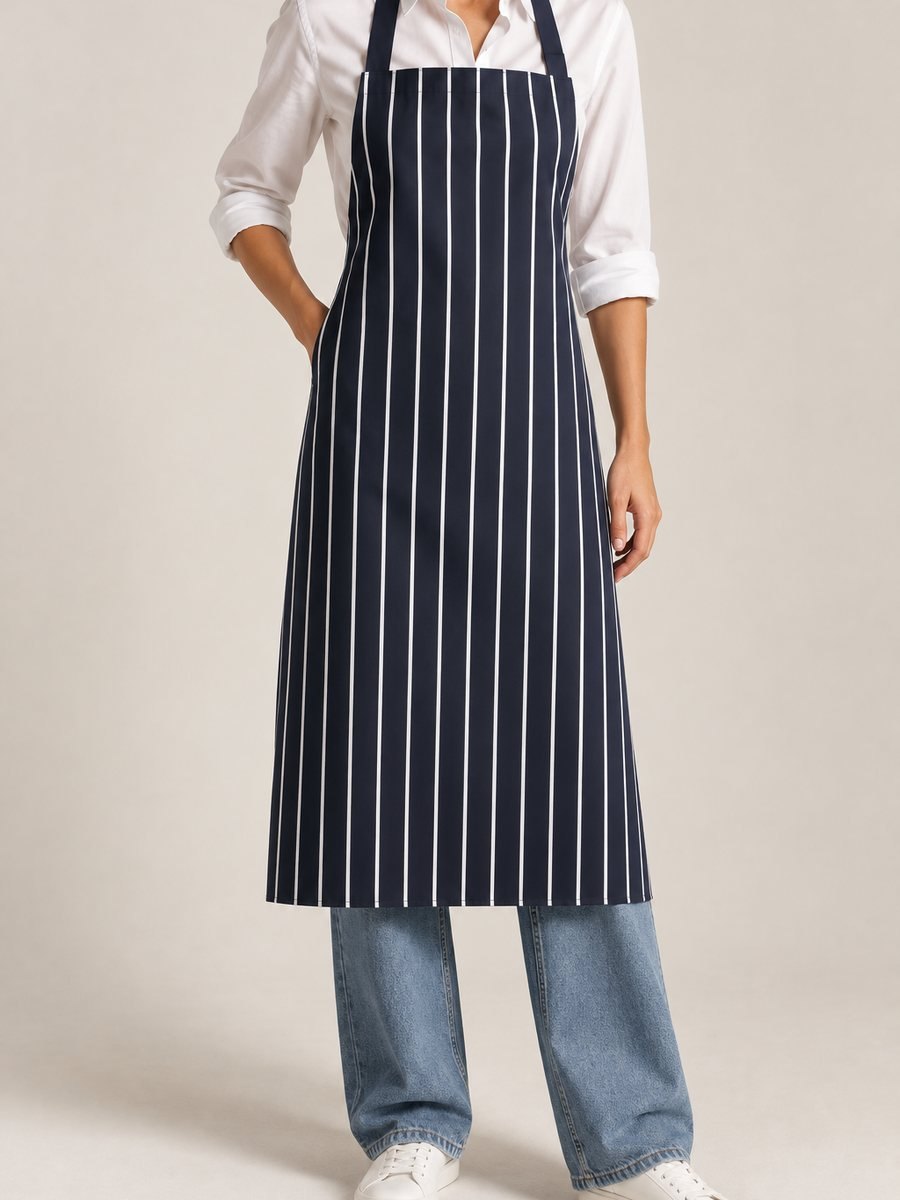
The alternative is yarn dyeing: the yarn is dyed before weaving, and the pattern comes from arranging coloured yarns on the loom. Stripes, checks and chambrays are made this way.
| Piece-dyed | Yarn-dyed | |
|---|---|---|
| Colour | One solid shade | Stripes, checks, mélange, chambray |
| When colour is decided | After weaving | Before weaving |
| Flexibility | Greige stock can be dyed to any shade | Colour fixed at the loom |
| Lead time | Shorter, especially from greige stock | Longer: dye yarn, then warp and weave |
| Minimums | Usually lower per shade | Usually higher per colourway |
A piece-dyed fabric has one colour right through the cloth. A yarn-dyed fabric can show two colours on close inspection, because warp and weft may differ.
Shade matching and lots
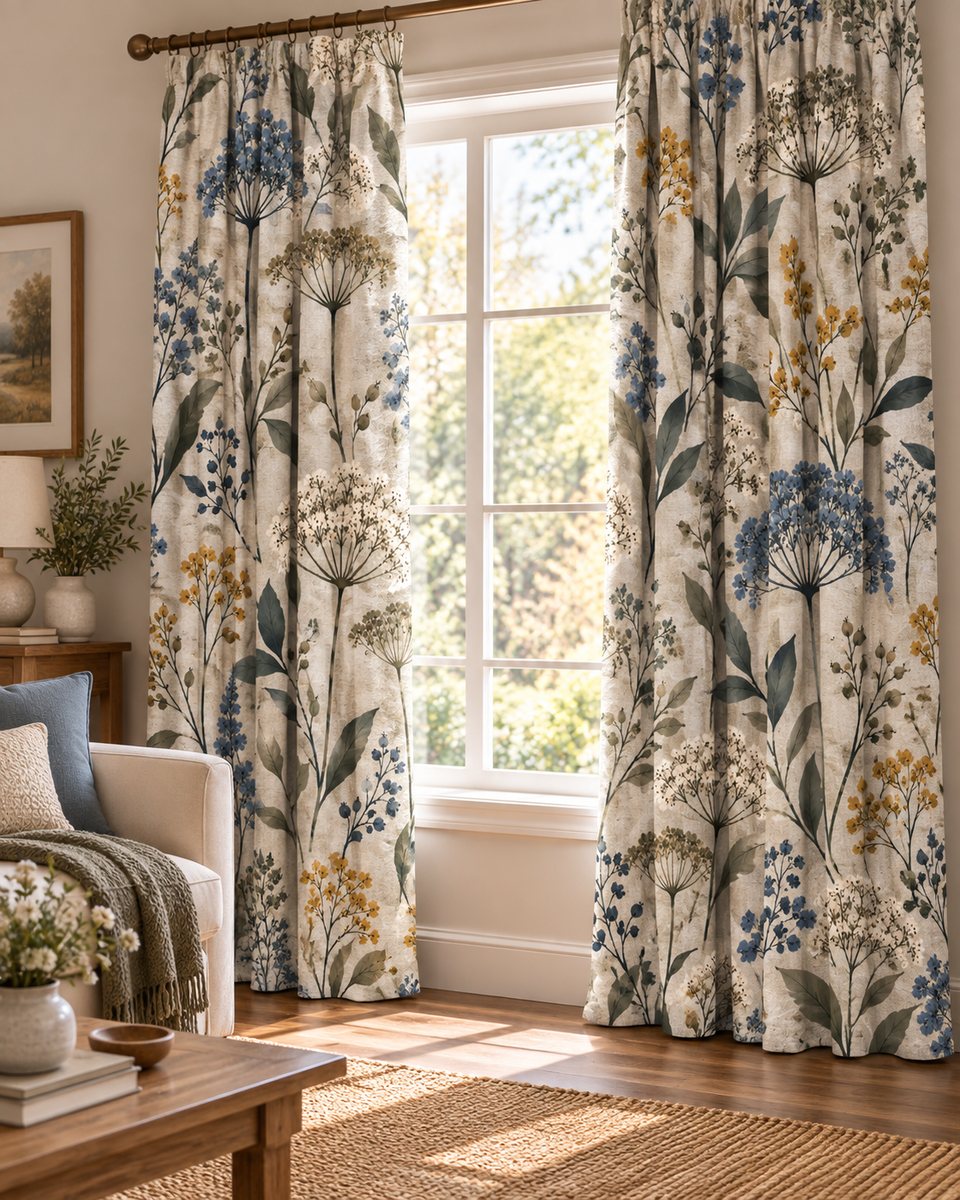
Shades are matched to a reference, usually a physical standard or a colour system reference, and approved as a lab dip before bulk. Each dye batch is a lot, and small shade differences between lots are normal. If a product will be made from several rolls, for example curtains hung side by side, ask for a single dye lot or for rolls to be marked by lot so they can be cut together.
Where piece dyeing fits
Most of our home textile qualities, from panama and poplin to apron drill, are supplied piece-dyed to your shade, and our 500 gsm cotton canvas is kept piece-dyed in 30 stock colours for fast sampling. Send us a colour reference and the quantity, and we will propose a lab dip.