Cotton poplin: what makes it smooth and crisp
Poplin is a plain weave, but a very particular one. Its construction explains the smooth face, the crisp handle and why it prints so sharply.
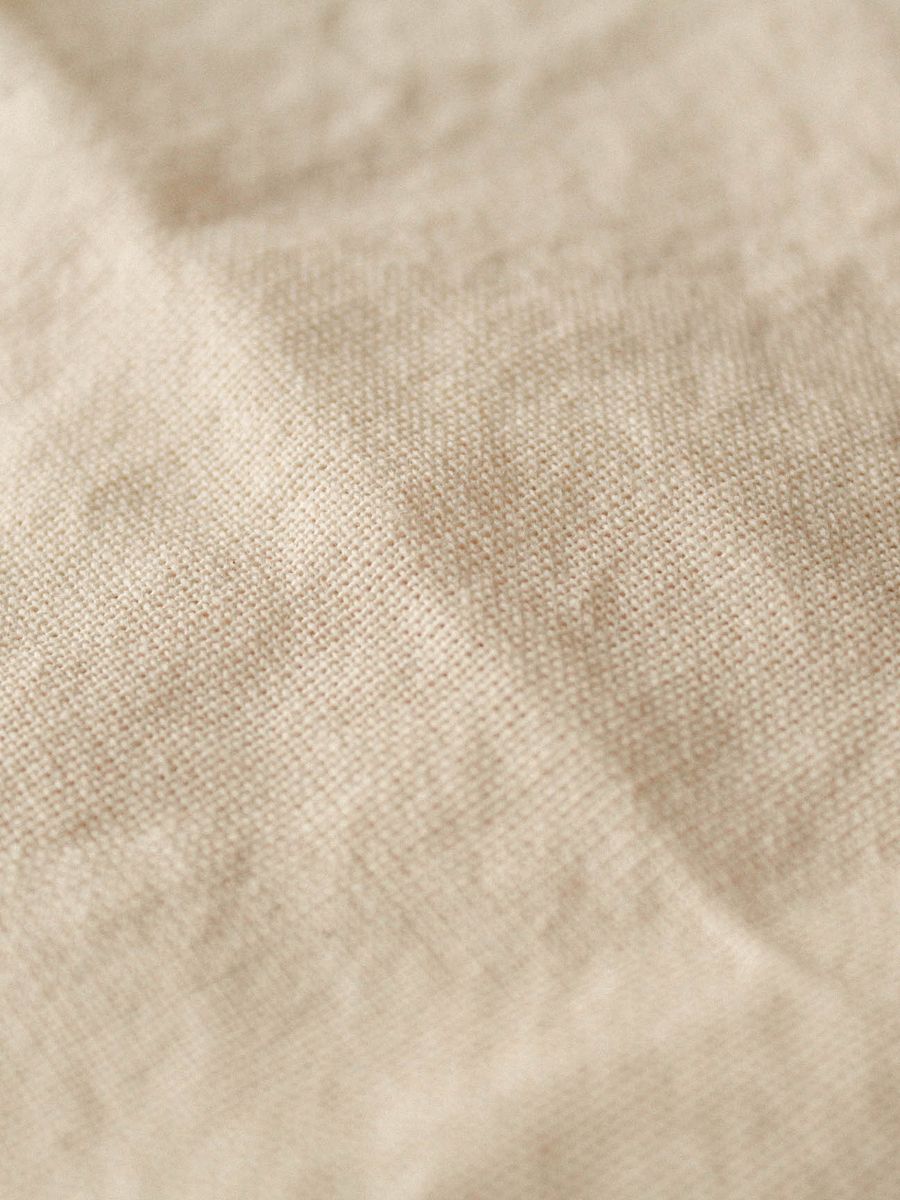
Poplin is one of the most familiar cotton fabrics in the world, found in shirts, dresses, bedding and curtains. It is a plain weave, the simplest construction there is, yet a good poplin feels distinctly finer and crisper than an ordinary plain cotton. The difference lies in how the cloth is built.
How poplin is constructed
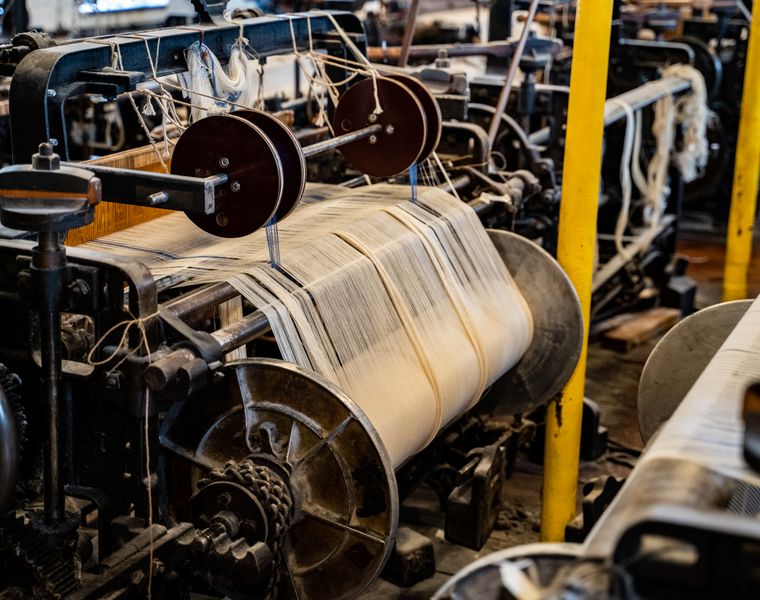
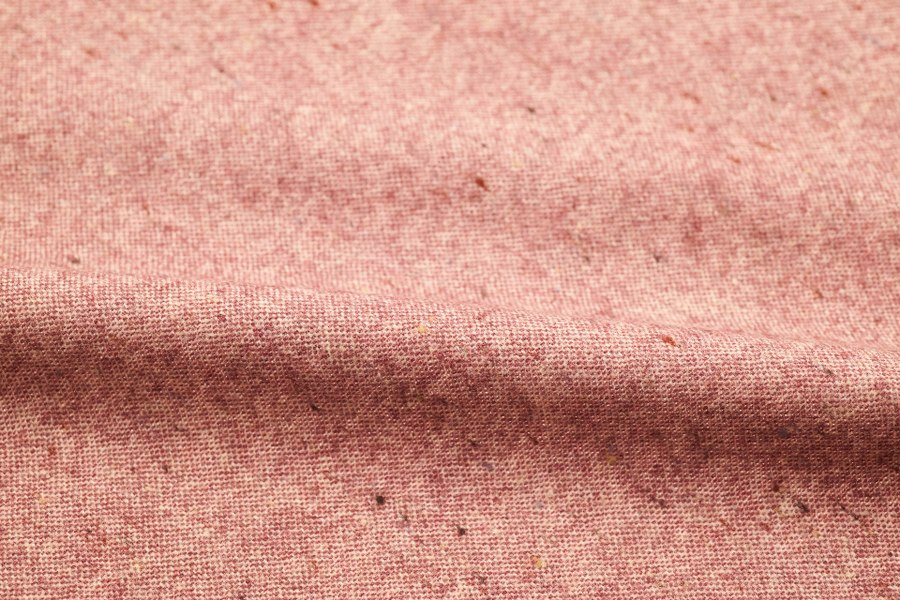
In a plain weave each warp thread passes over one weft thread and under the next. Poplin follows that pattern, but with a characteristic balance: many more warp threads per centimetre than weft threads, often close to twice as many, and a weft that is equal to or slightly thicker than the warp. The dense warp covers the weft almost completely, which produces a very fine rib running across the width of the fabric. You can usually see it only up close, or feel it lightly with a fingertip.
Poplin is typically woven from fine, combed cotton yarns. Combing removes short fibres and leaves long, parallel ones, which gives a smoother yarn with less hairiness and a cleaner surface.
Why it feels smooth and crisp
- Density. The tightly packed warp leaves little space between threads, so the surface is closed and even.
- Fine yarns. Combed yarns reflect light evenly, which gives poplin its subtle sheen.
- Firm interlacing. A plain weave interlaces at every crossing, so the cloth holds its shape and resists sagging.
- Finishing. Singeing burns off surface fibres, and mercerising, where used, adds lustre and helps dye uptake.
The same density that gives poplin its crispness also makes it less absorbent than an open weave such as panama, and it creases more readily than a twill. Those are trade-offs to keep in mind when choosing it.
It also helps to separate poplin from its close relatives. Broadcloth is sometimes used as a synonym, particularly in North America, while percale and cambric are plain weaves with a more balanced thread count and a flatter, less ribbed surface. The names overlap in trade use, so a specification is always more reliable than a label.
Where poplin works
Shirting
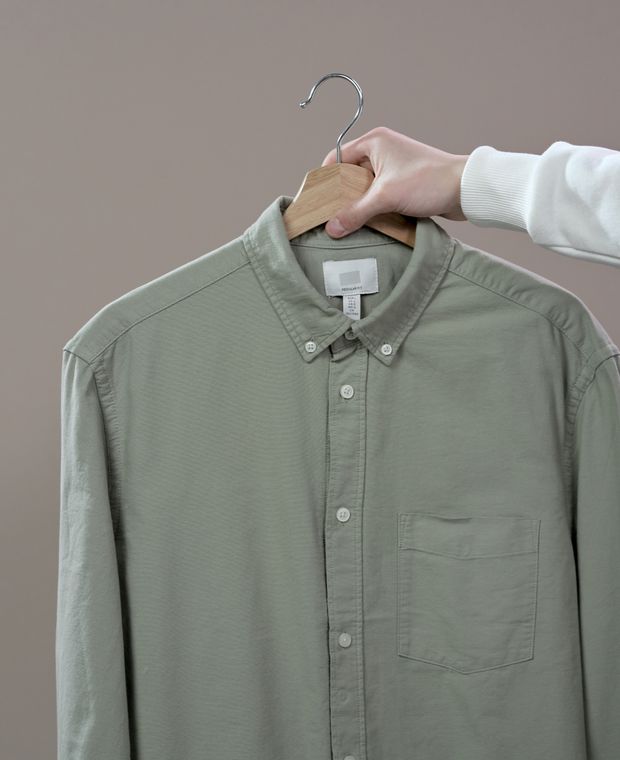
Poplin is a classic shirt cloth: cool, smooth against the skin and sharp when pressed. Lighter poplins suit summer shirts and blouses, and the crisp handle suits formal and uniform shirts. Our shirting collection covers fabrics from 85 to 165 gsm across cotton, organic cotton and blends.
Light curtains
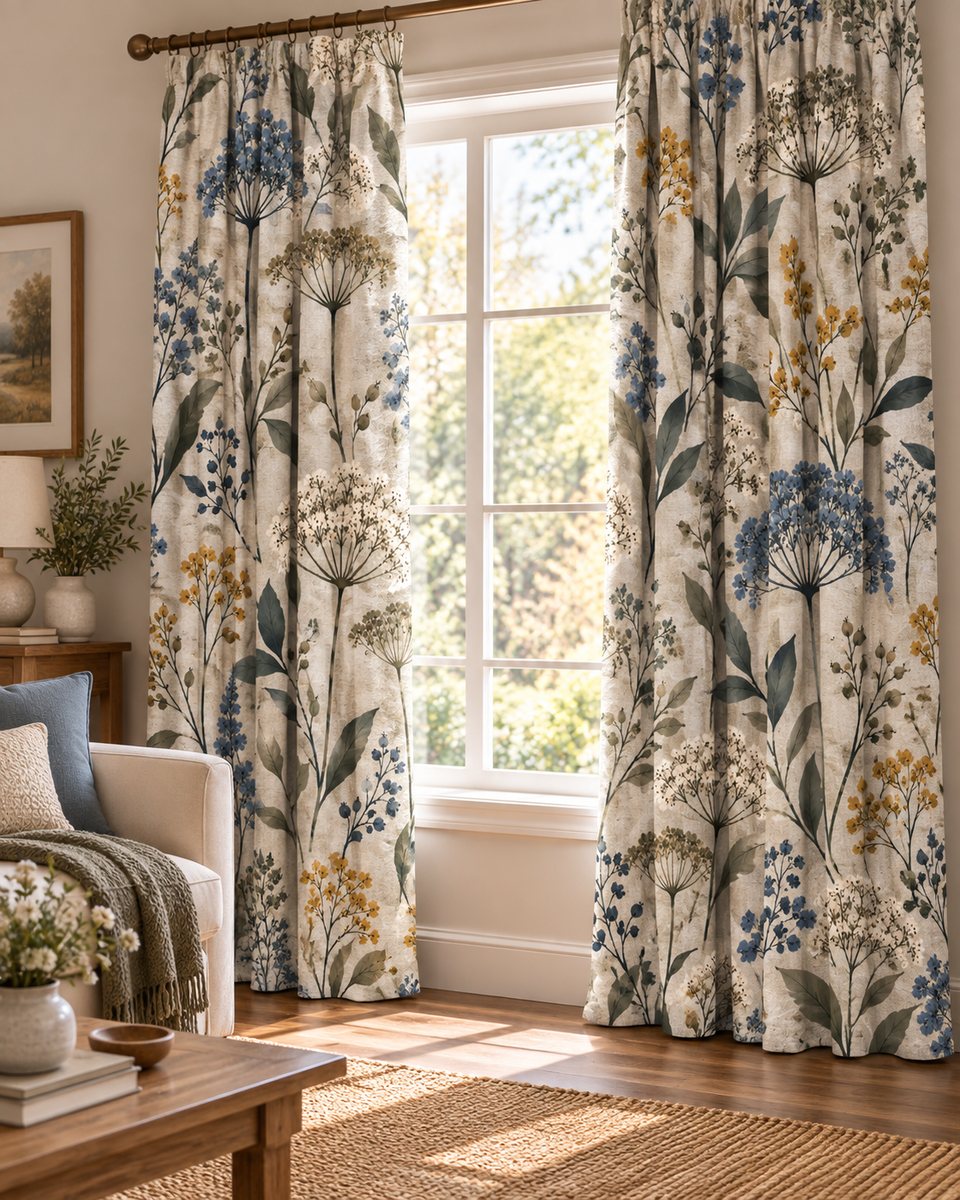
A heavier poplin, such as our Cotton Poplin 200 gsm, makes clean, light curtains that filter daylight rather than block it. It hangs neatly, has a fresh look in plain colours and suits both unlined curtains and blinds.
A base for print
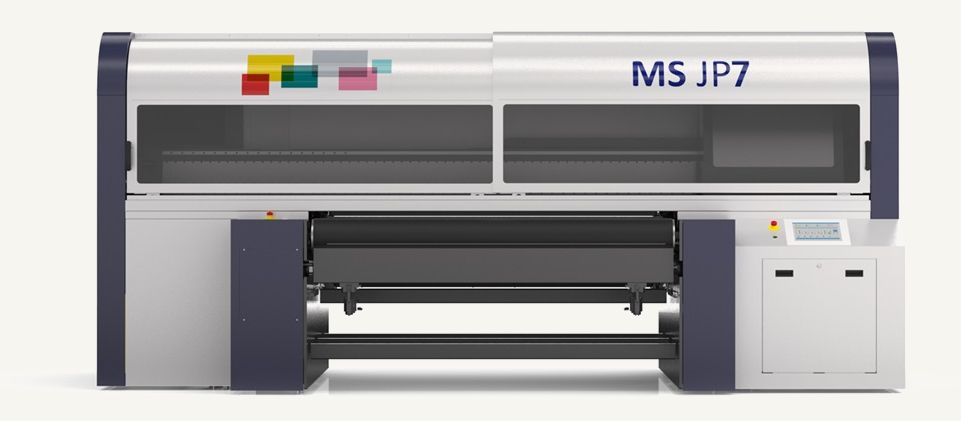
This is where poplin shines. A smooth, closed surface holds fine lines, small type and photographic detail more sharply than a textured cloth. Reactive printing on poplin gives deep colour with no change in hand-feel, which is why it is widely used for printed bedding, dresses and home textiles.
Poplin at a glance
| Property | Poplin |
|---|---|
| Weave | Plain, warp-dense, fine weft rib |
| Handle | Smooth, crisp, light sheen |
| Print detail | Excellent |
| Absorbency | Moderate |
| Creasing | Creases more than twill; presses well |
Choosing a poplin
When comparing poplins, ask for the weight in gsm, the yarn count and the thread density, not just the name, because the word covers a wide range of qualities. Check the width, the shrinkage after washing and, for printed work, a strike-off of your actual design. For curtain and home textile use, see our curtain fabric page, or contact us with your product and we will send a sample.