
Blog
Notes from the mill.
Practical guides on cotton fabric weights, weaves and printing, written for the people who buy and develop textiles.
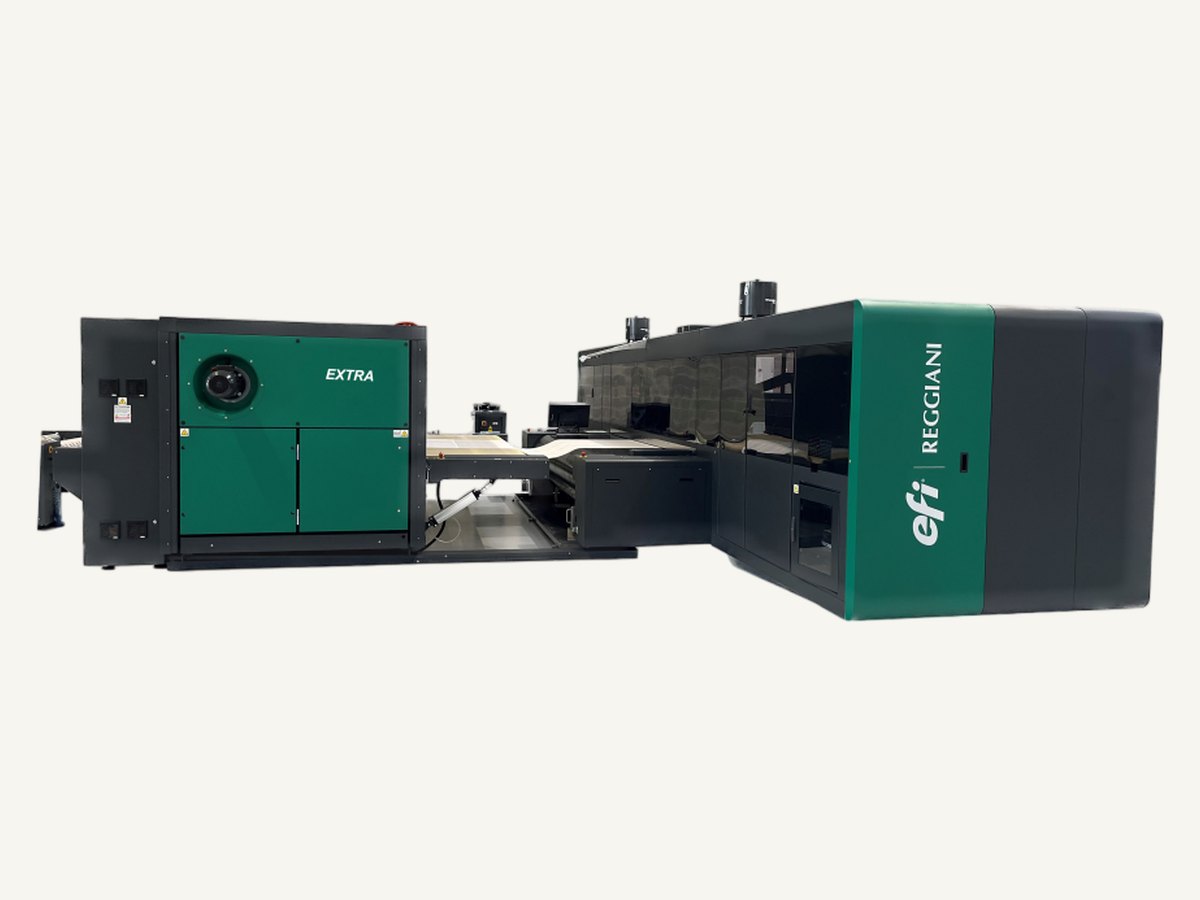 Print resolution on fabric: dpi, file size and the eye
More dpi is not always more detail on cloth. Viewing distance, the weave and ink spread set a practical limit, and file size grows fast beyond it.
Print resolution on fabric: dpi, file size and the eye
More dpi is not always more detail on cloth. Viewing distance, the weave and ink spread set a practical limit, and file size grows fast beyond it.
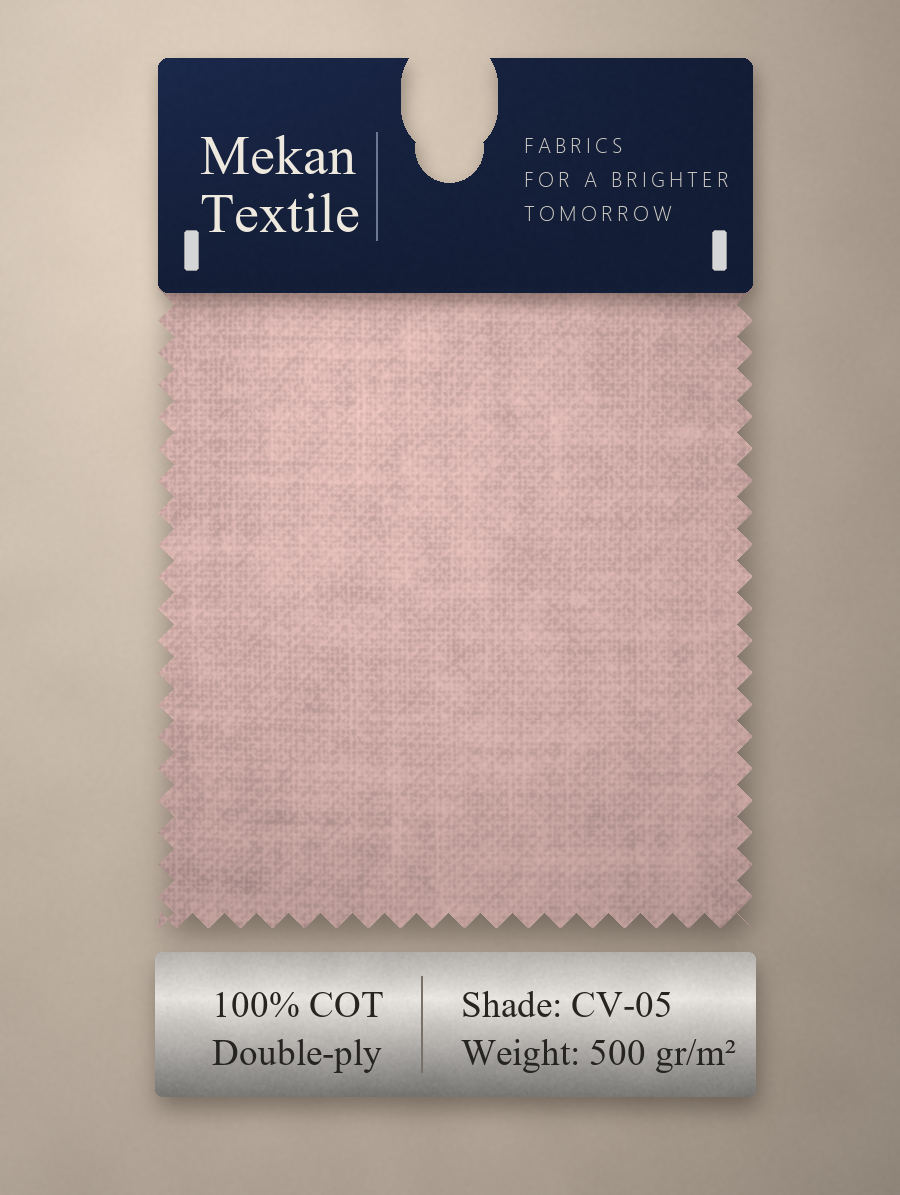 Stock colours in canvas: why 30 shades on the shelf speed sampling
Most of the time in a canvas project goes on colour. Choosing from shades a mill already holds can take weeks out of sampling. Here is how it works.
Stock colours in canvas: why 30 shades on the shelf speed sampling
Most of the time in a canvas project goes on colour. Choosing from shades a mill already holds can take weeks out of sampling. Here is how it works.
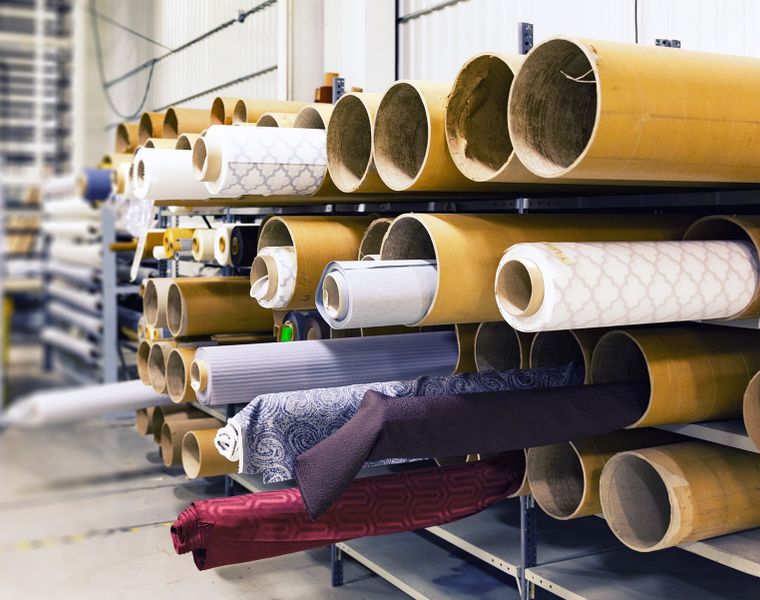 Sanforizing: how compressive shrinkage control works
Sanforizing squeezes the lengthwise shrinkage out of a fabric before it is cut. Here is how the machine works and which products need it.
Sanforizing: how compressive shrinkage control works
Sanforizing squeezes the lengthwise shrinkage out of a fabric before it is cut. Here is how the machine works and which products need it.
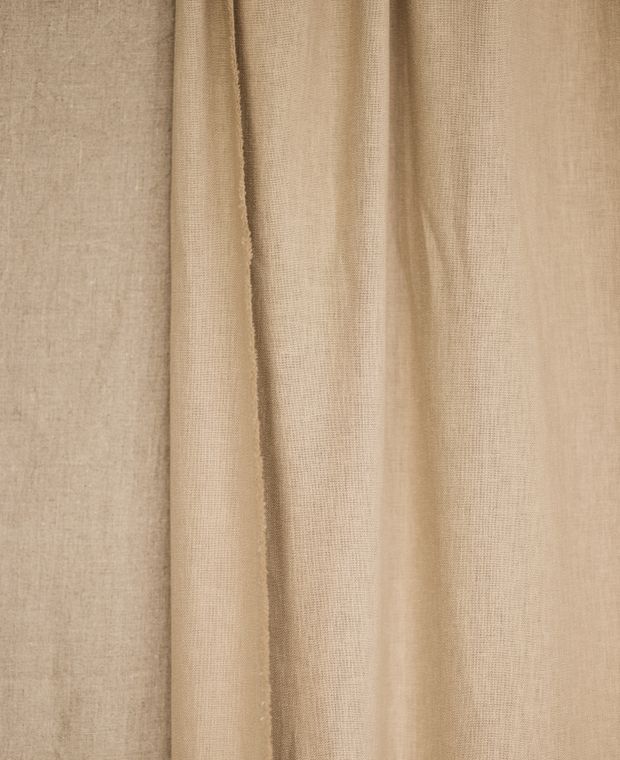 Custom printed curtains in small runs for interior designers
Digital printing lets an interior designer put a bespoke design on curtain fabric for a single room. Here is what to decide so the curtains hang and look as planned.
Custom printed curtains in small runs for interior designers
Digital printing lets an interior designer put a bespoke design on curtain fabric for a single room. Here is what to decide so the curtains hang and look as planned.
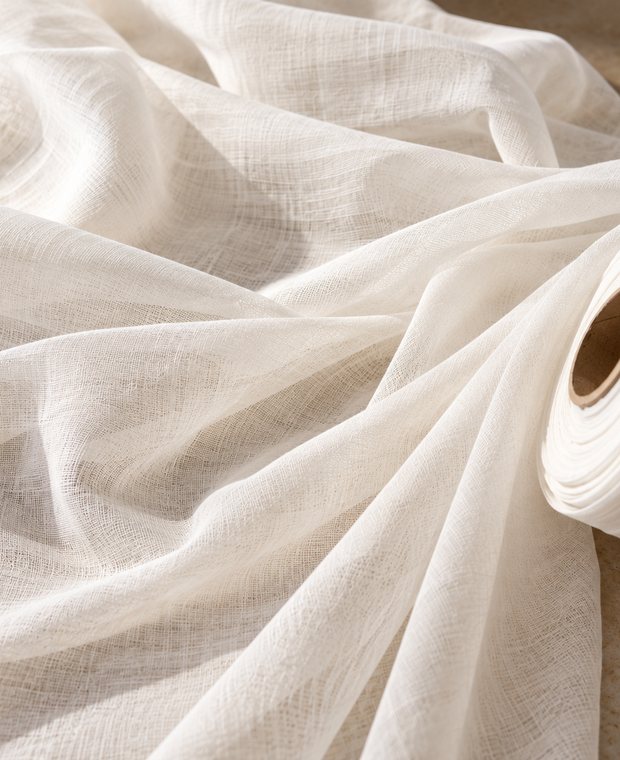 How to wash muslin before first use in a kitchen
Muslin straight off the roll carries loose fibres and will shrink in its first wash. A simple first wash makes it cleaner, more absorbent and ready for food.
How to wash muslin before first use in a kitchen
Muslin straight off the roll carries loose fibres and will shrink in its first wash. A simple first wash makes it cleaner, more absorbent and ready for food.
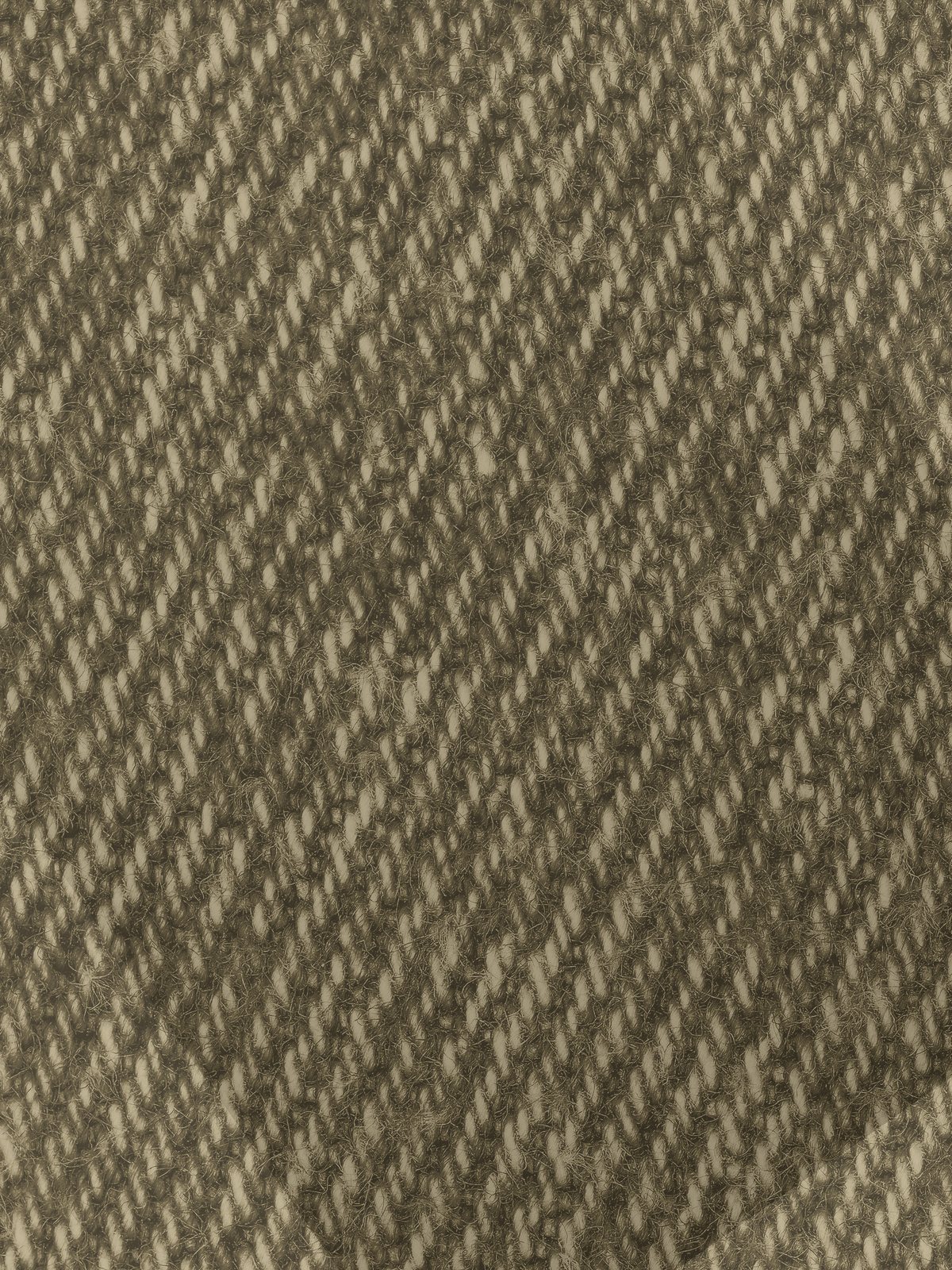 How the base cloth changes a print: panama, poplin, drill, canvas
Send the same file to be printed on four cottons and you get four different results. The weave and surface of the cloth decide how sharp, deep and soft the print will be.
How the base cloth changes a print: panama, poplin, drill, canvas
Send the same file to be printed on four cottons and you get four different results. The weave and surface of the cloth decide how sharp, deep and soft the print will be.
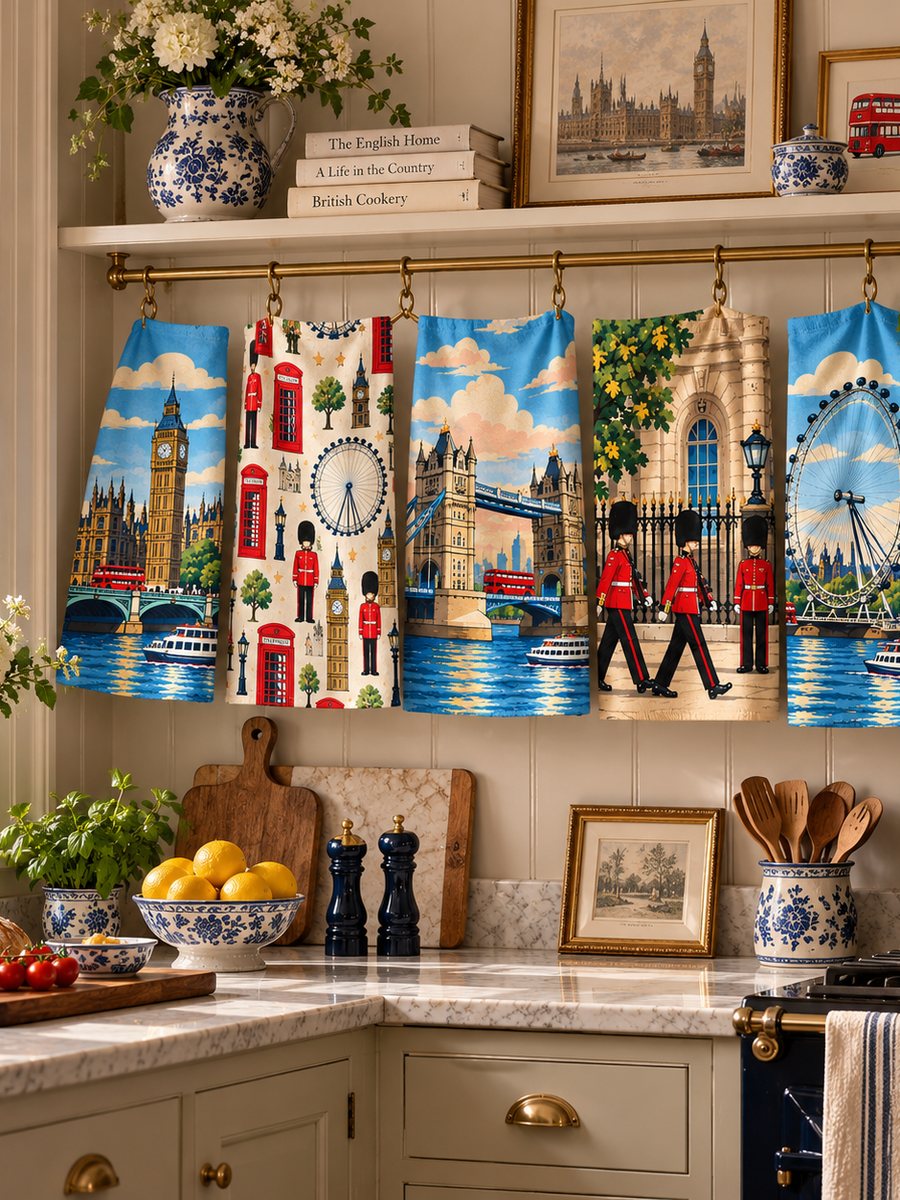 Placement and engineered prints for tea towels
An all-over print can be cut anywhere. A placement print has to land exactly on each tea towel, which means planning the panel, the hems and the cut before the file is built.
Placement and engineered prints for tea towels
An all-over print can be cut anywhere. A placement print has to land exactly on each tea towel, which means planning the panel, the hems and the cut before the file is built.
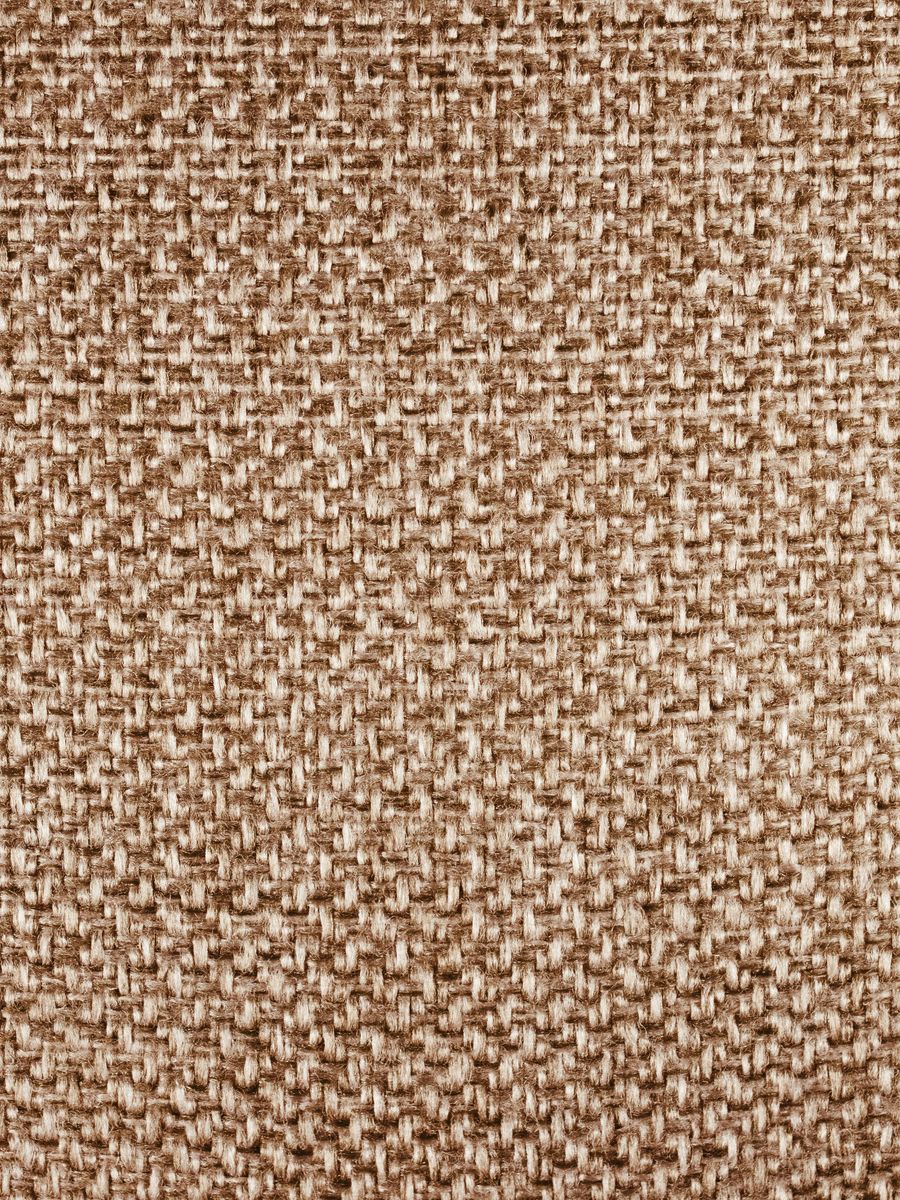 GSM and oz/yd²: how fabric weight is measured and converted
Fabric weight is the first number on most spec sheets, and it is quoted two ways. Here is what gsm and oz/yd² mean and how to move between them.
GSM and oz/yd²: how fabric weight is measured and converted
Fabric weight is the first number on most spec sheets, and it is quoted two ways. Here is what gsm and oz/yd² mean and how to move between them.
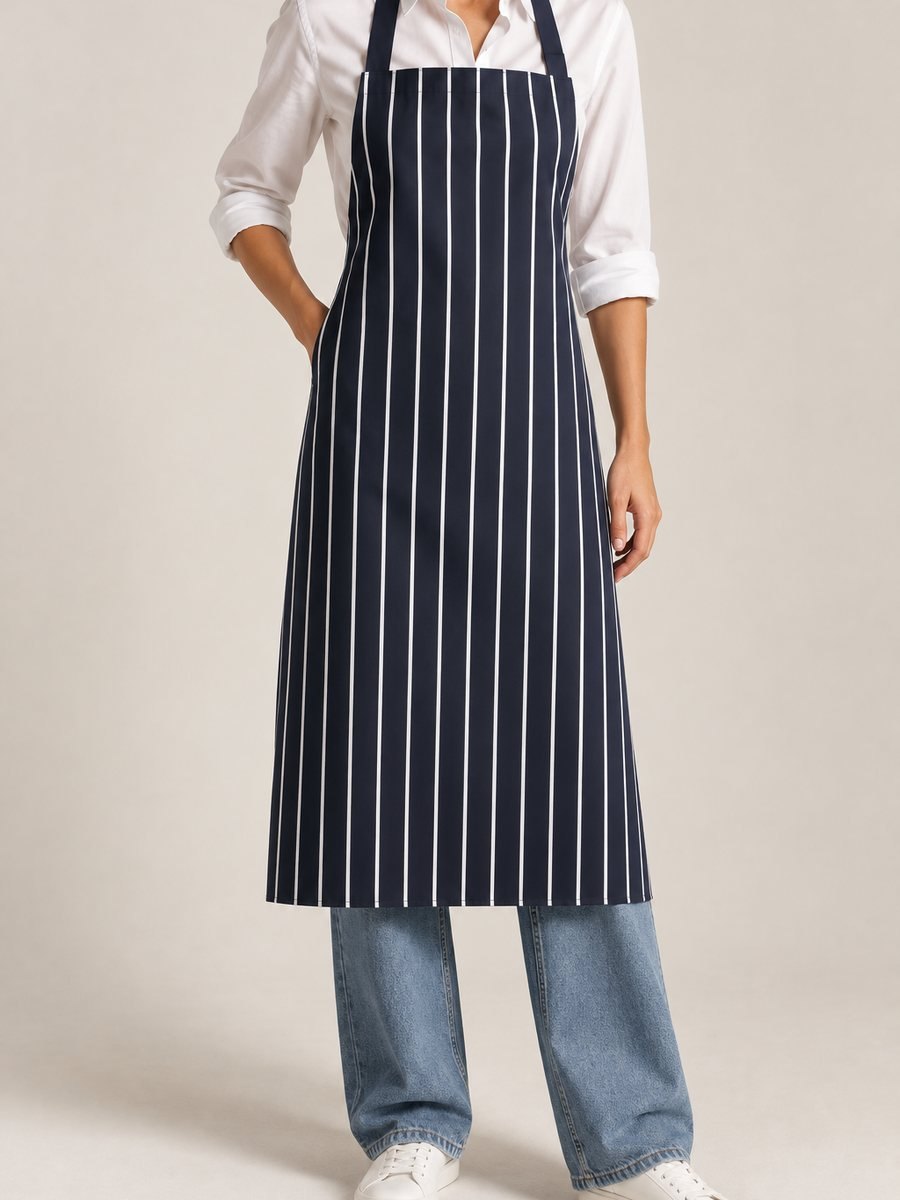 Apron fabric: drill or canvas?
Both are strong cotton cloths, but they wear very differently. Here is how drill and canvas compare for aprons that are used every day.
Muslin for baby textiles: softness, breathability and what to check
Muslin has become the default cloth for swaddles and burp cloths for good reasons. Here is what makes it work for babies and what a brand should check before ordering.
Apron fabric: drill or canvas?
Both are strong cotton cloths, but they wear very differently. Here is how drill and canvas compare for aprons that are used every day.
Muslin for baby textiles: softness, breathability and what to check
Muslin has become the default cloth for swaddles and burp cloths for good reasons. Here is what makes it work for babies and what a brand should check before ordering.
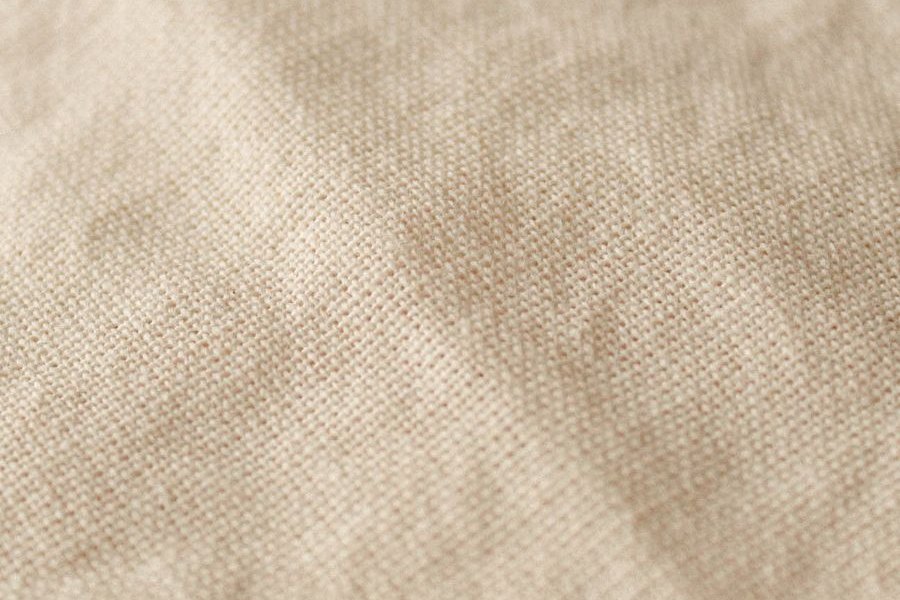 Ends and picks: reading fabric construction numbers
Ends and picks tell you how densely a fabric is woven. Here is how the numbers are written, measured and used to compare two cloths.
Ends and picks: reading fabric construction numbers
Ends and picks tell you how densely a fabric is woven. Here is how the numbers are written, measured and used to compare two cloths.
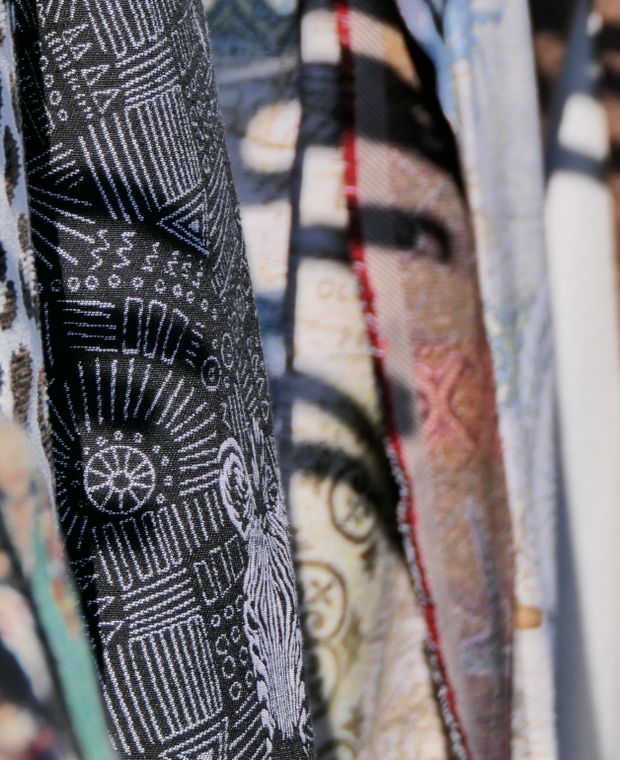 Why reactive prints are steamed and washed, and what if you rush it
The printer puts the colour on the cloth. Steaming and washing decide whether it stays there. Here is what each step does, and what goes wrong when they are cut short.
Why reactive prints are steamed and washed, and what if you rush it
The printer puts the colour on the cloth. Steaming and washing decide whether it stays there. Here is what each step does, and what goes wrong when they are cut short.