
Blog
Notes from the mill.
Practical guides on cotton fabric weights, weaves and printing, written for the people who buy and develop textiles.
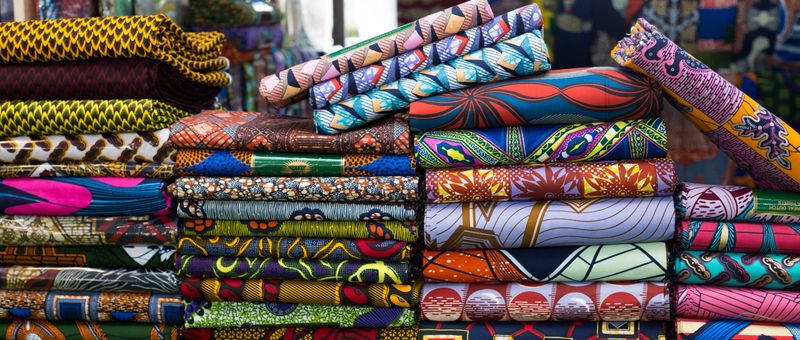 Designing a seamless repeat for printed fabric
A printed fabric is one tile repeated hundreds of times. The way that tile repeats decides whether the pattern flows or shows its joins.
Designing a seamless repeat for printed fabric
A printed fabric is one tile repeated hundreds of times. The way that tile repeats decides whether the pattern flows or shows its joins.
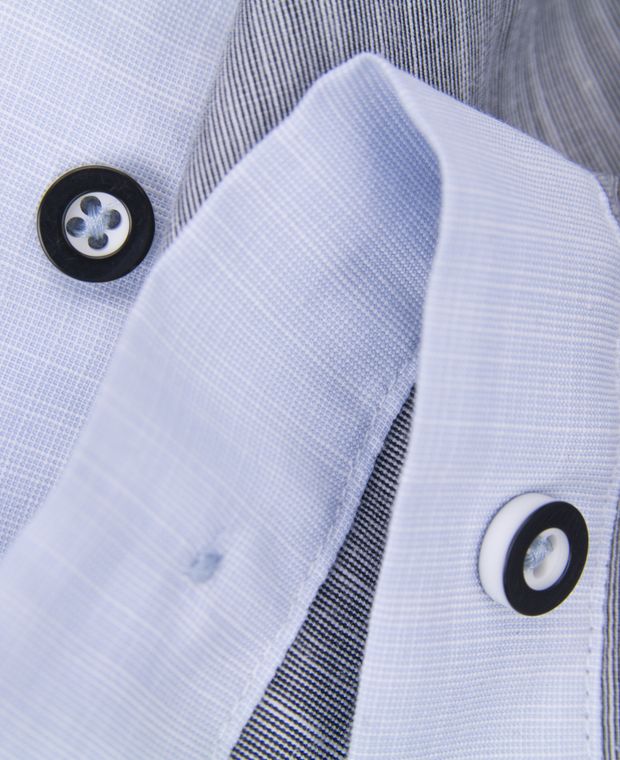 Combed vs carded cotton yarn: the difference you can feel
Combed and carded cotton start from the same fibre but end up very different. Here is what each process does and where the difference matters in a finished fabric.
Combed vs carded cotton yarn: the difference you can feel
Combed and carded cotton start from the same fibre but end up very different. Here is what each process does and where the difference matters in a finished fabric.
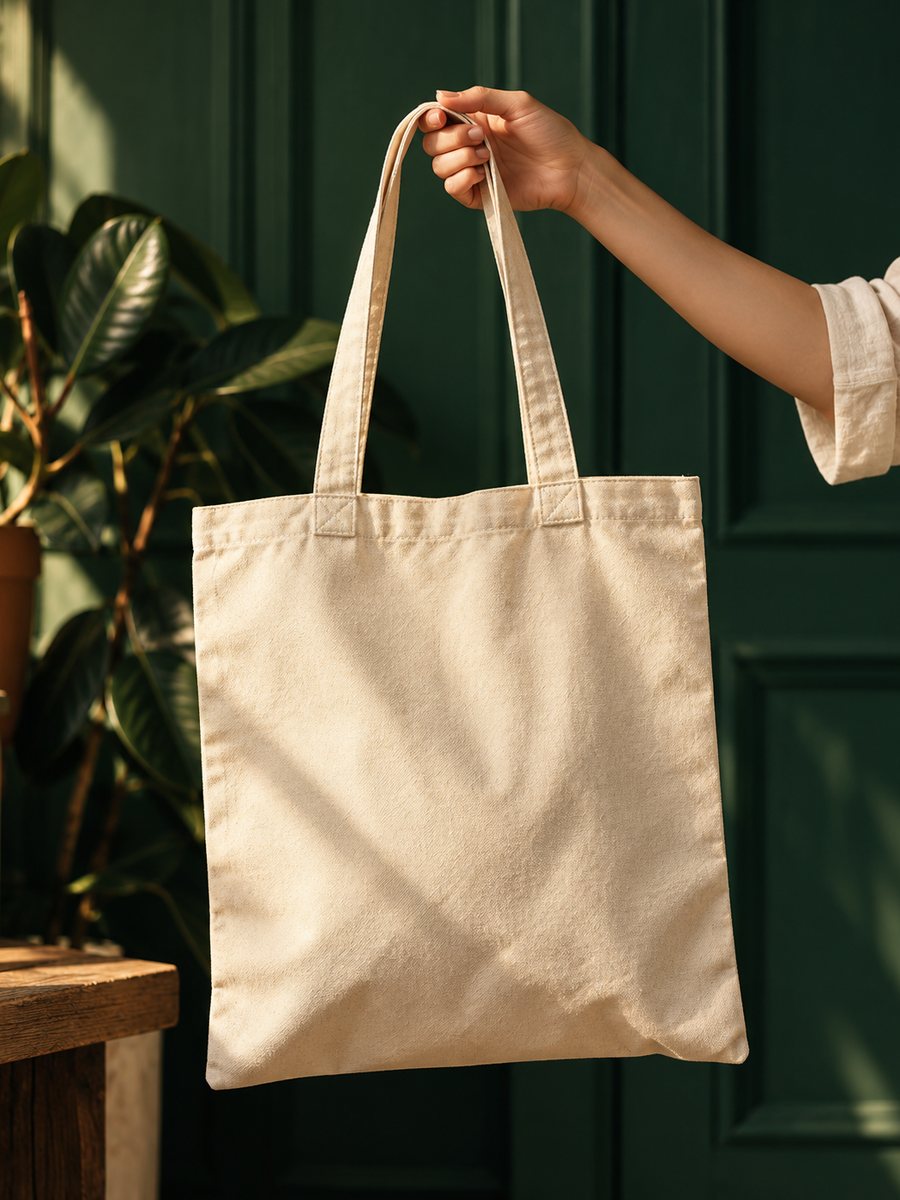 Cotton canvas bags as promotional products: what to specify
A promotional tote only works if people keep using it. That comes down to a handful of decisions in the brief, from fabric weight to handle length.
Cotton canvas bags as promotional products: what to specify
A promotional tote only works if people keep using it. That comes down to a handful of decisions in the brief, from fabric weight to handle length.
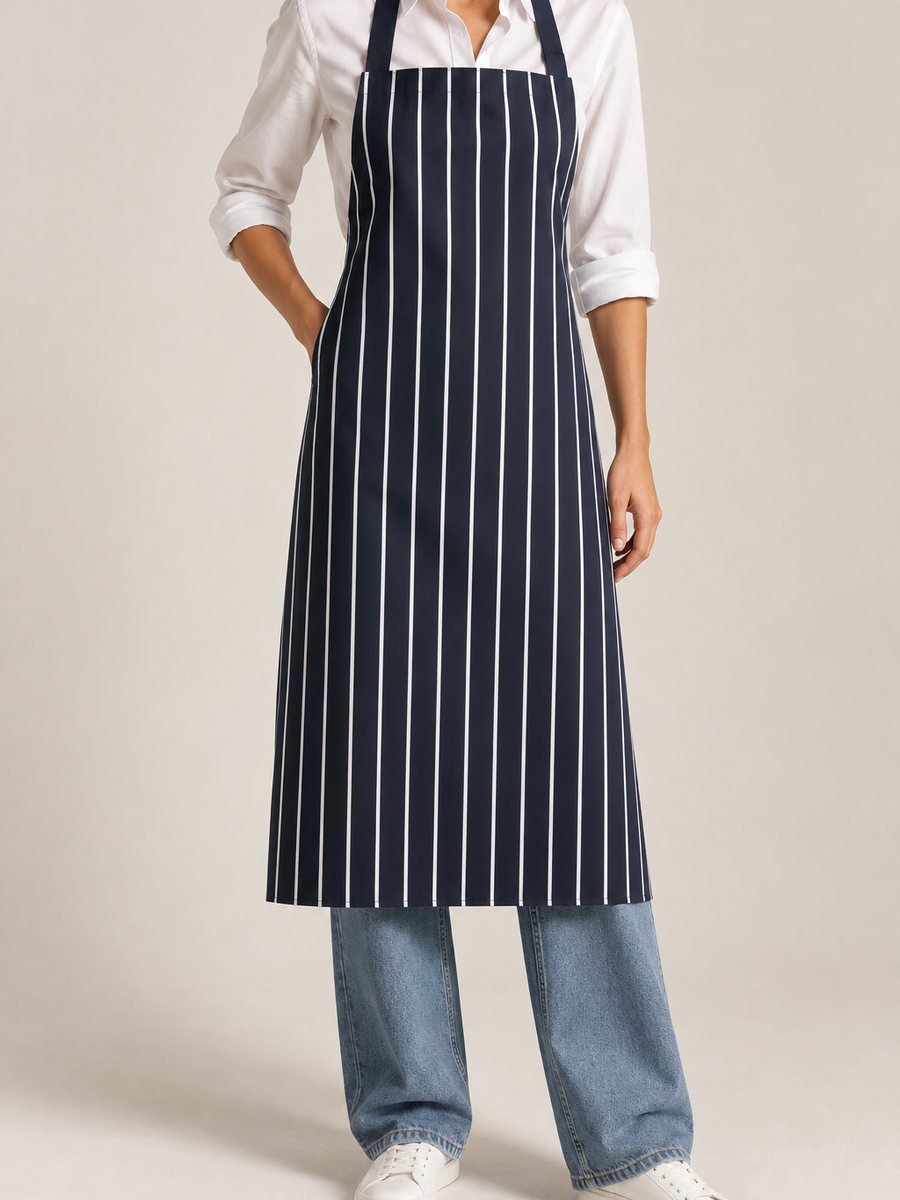 Hotel and restaurant textiles: one supply plan for four products
Tea towels, aprons, table linen and muslin are usually bought from four suppliers. Planning them as one range saves time, keeps colours consistent and makes reorders simple.
Hotel and restaurant textiles: one supply plan for four products
Tea towels, aprons, table linen and muslin are usually bought from four suppliers. Planning them as one range saves time, keeps colours consistent and makes reorders simple.
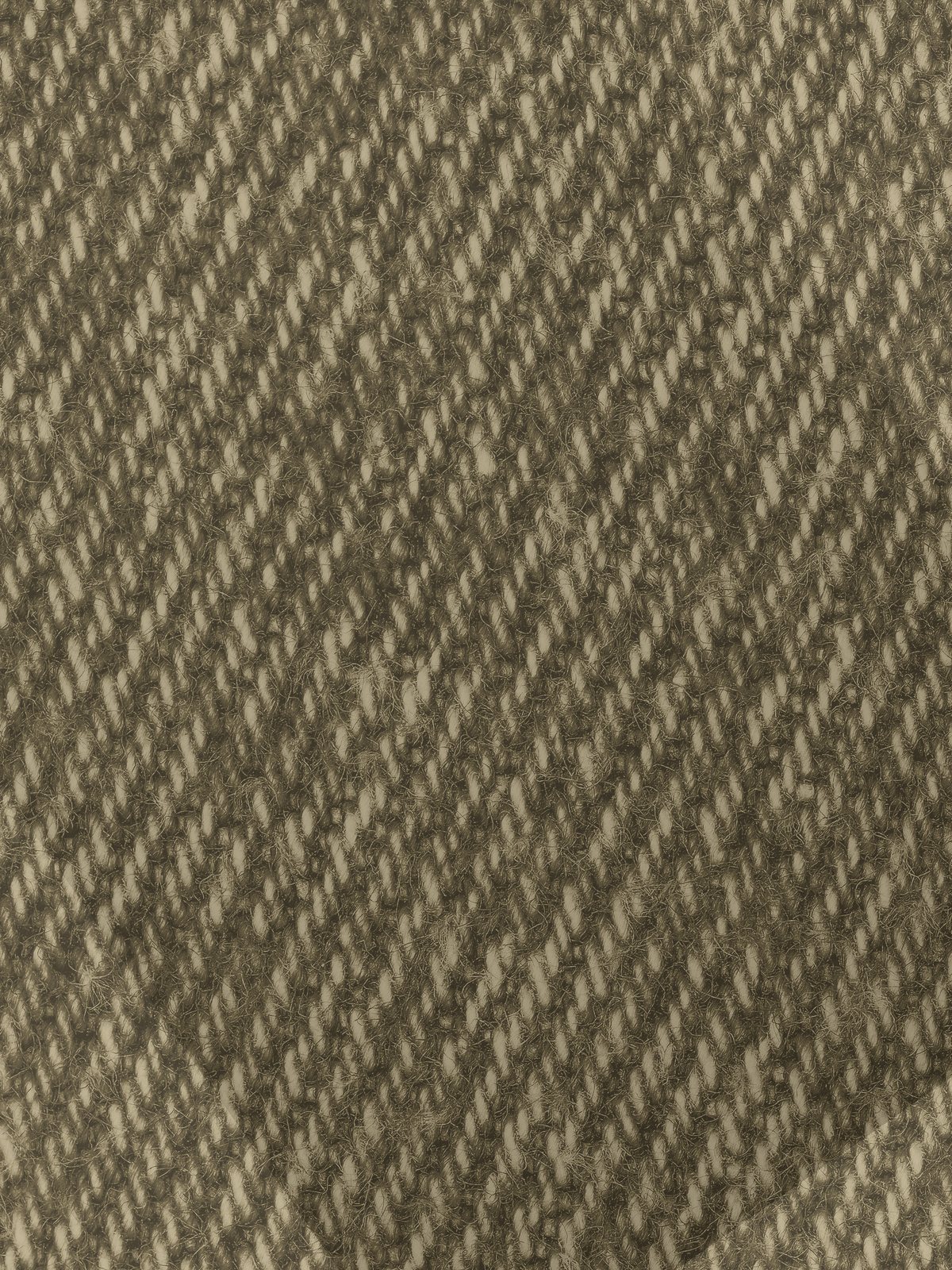 Cotton drill: the workhorse for aprons, tea towels and workwear
Drill is a plain-looking cloth with a lot of work in it. Here is what it is, how it relates to twill, and where a 255 gsm drill earns its place.
Cotton drill: the workhorse for aprons, tea towels and workwear
Drill is a plain-looking cloth with a lot of work in it. Here is what it is, how it relates to twill, and where a 255 gsm drill earns its place.
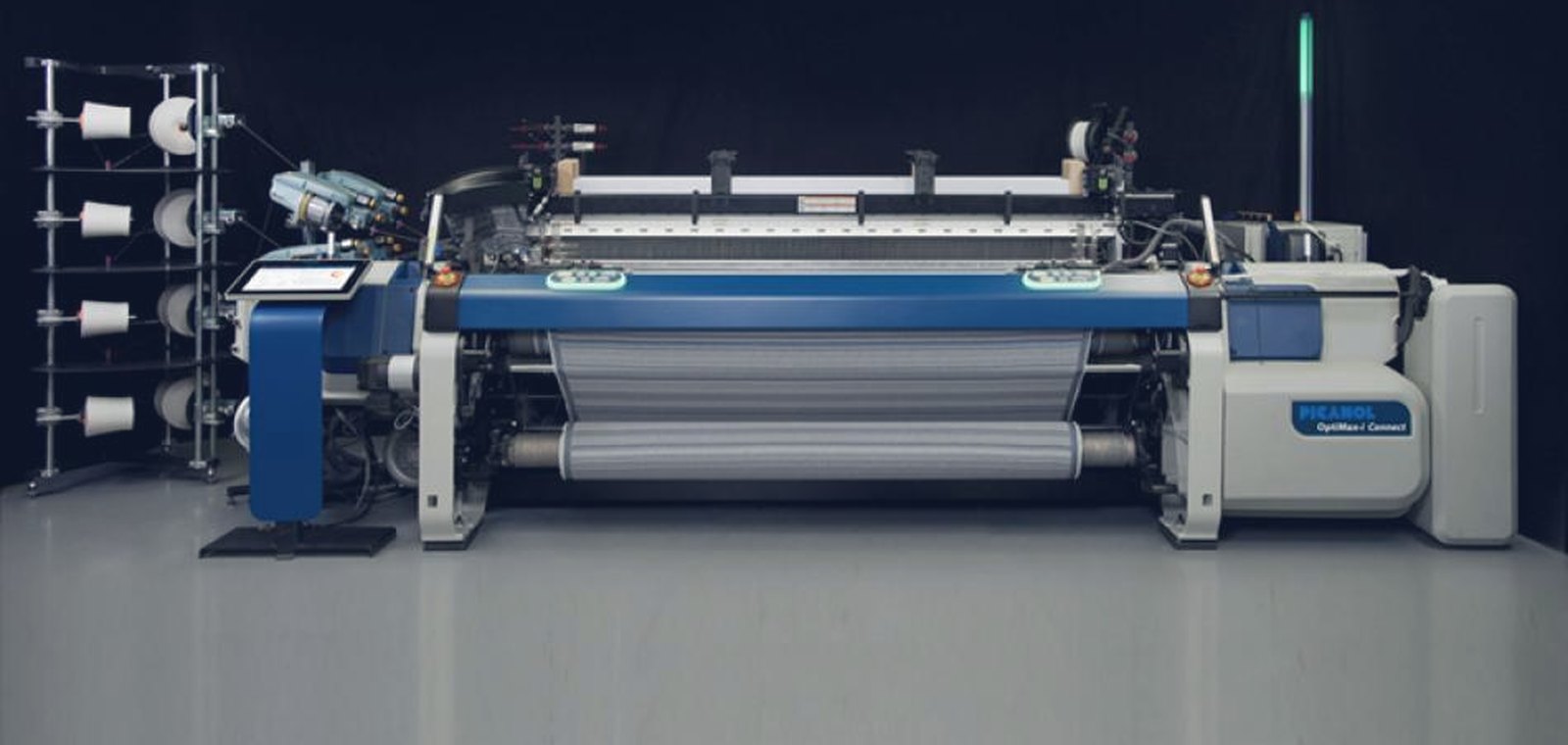 The selvedge: what the edge of a fabric tells you
The narrow band along each edge of a roll is easy to ignore. It tells you the grain, often the face side, the usable width and how the cloth was woven and finished.
The selvedge: what the edge of a fabric tells you
The narrow band along each edge of a roll is easy to ignore. It tells you the grain, often the face side, the usable width and how the cloth was woven and finished.
 Colour fastness tests for printed cotton, explained
A fastness report is a row of numbers from 1 to 5. Here is what each test does to the fabric, and what a good result looks like for printed cotton.
Colour fastness tests for printed cotton, explained
A fastness report is a row of numbers from 1 to 5. Here is what each test does to the fabric, and what a good result looks like for printed cotton.
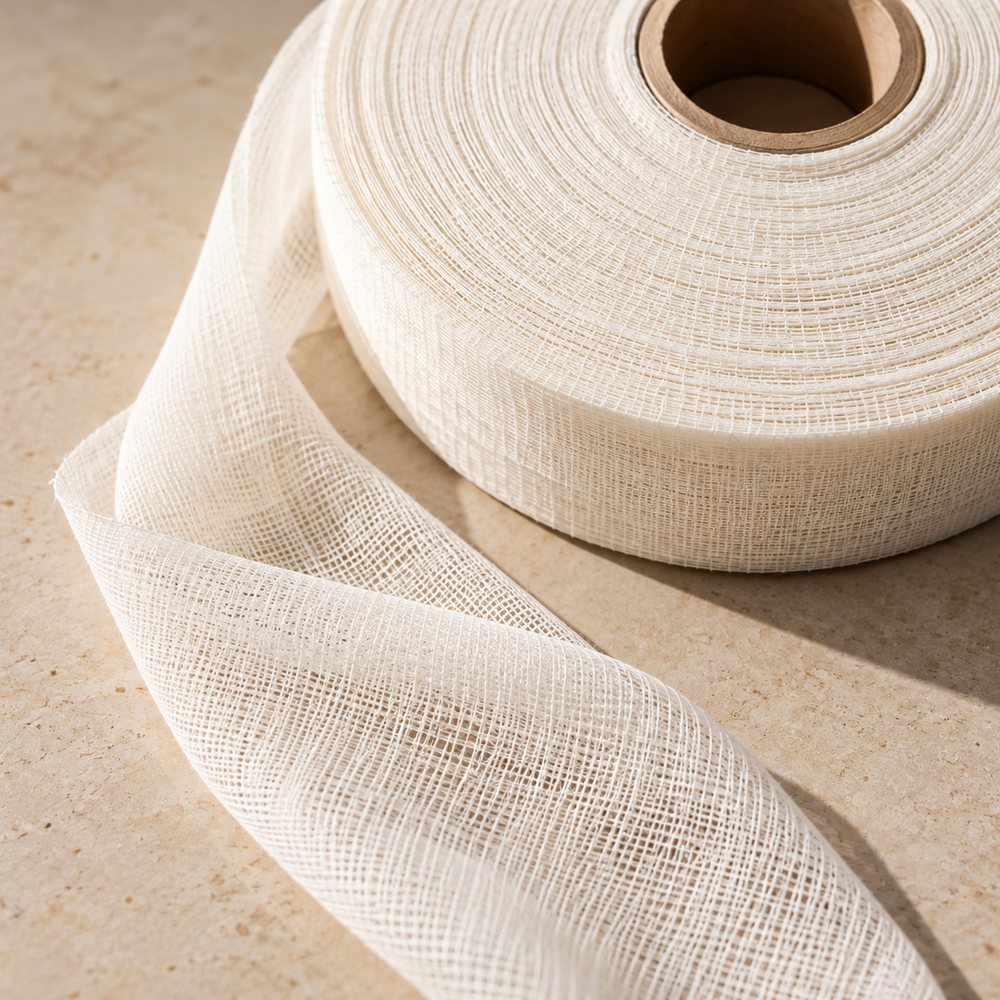 Cheesecloth for dairies: what cheesemakers need from the cloth
Cheesecloth looks simple, but the wrong cloth slows draining, loses curd or wears out after a few washes. Here is what a dairy should specify.
Cheesecloth for dairies: what cheesemakers need from the cloth
Cheesecloth looks simple, but the wrong cloth slows draining, loses curd or wears out after a few washes. Here is what a dairy should specify.
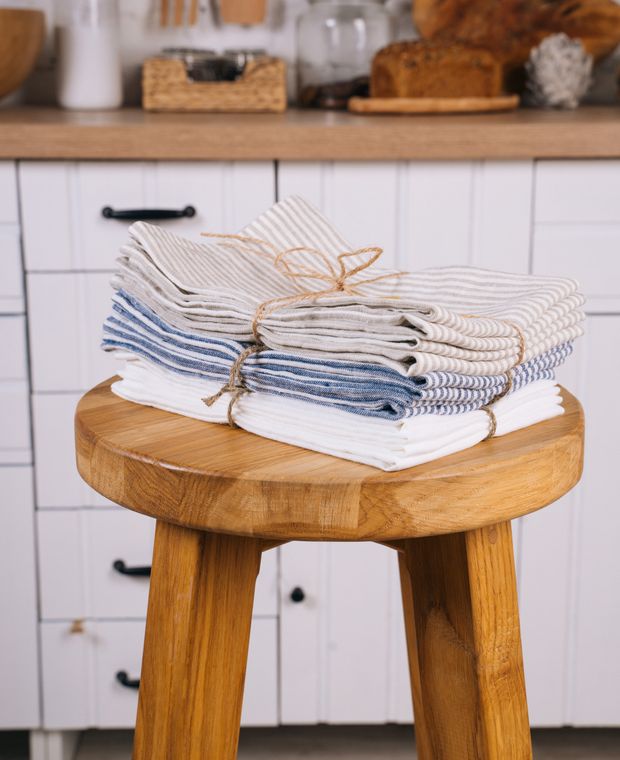 Choosing a tea towel fabric: absorbency, lint and weave
A good tea towel dries glasses without leaving fluff and still looks good after a hundred washes. The fabric decides most of that.
Choosing a tea towel fabric: absorbency, lint and weave
A good tea towel dries glasses without leaving fluff and still looks good after a hundred washes. The fabric decides most of that.
 Pigment rotary printing: when screens beat digital for long runs
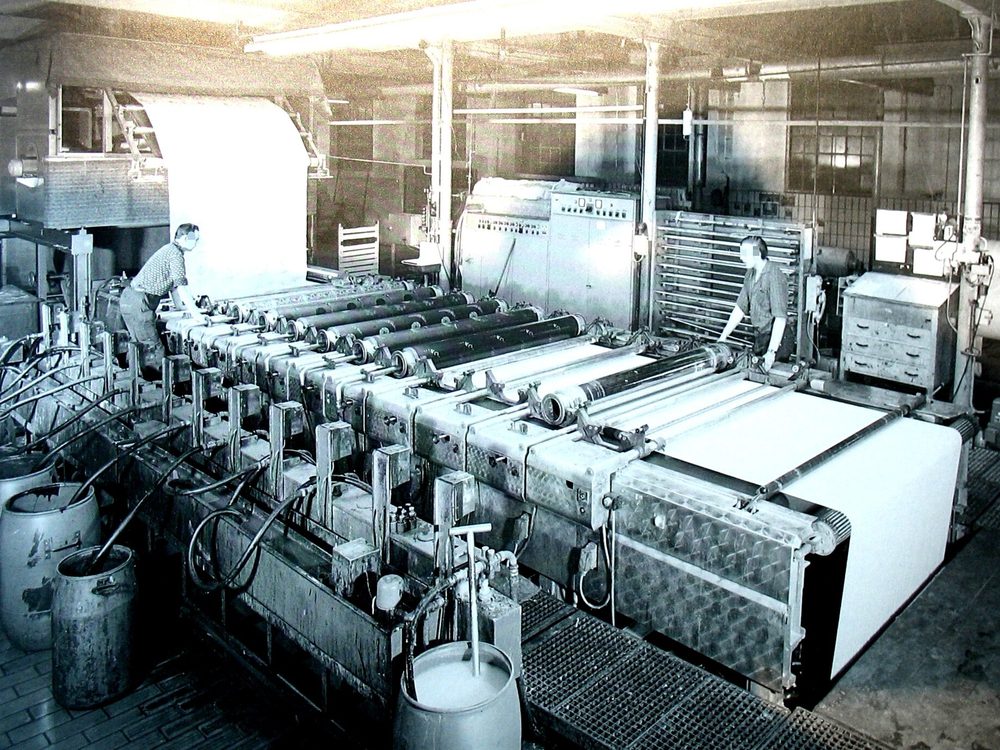
Digital printing wins on flexibility. Once a design sells in volume, rotary screens usually win on cost per metre and on colour that repeats from order to order.
Pigment rotary printing: when screens beat digital for long runs
Digital printing wins on flexibility. Once a design sells in volume, rotary screens usually win on cost per metre and on colour that repeats from order to order.
 Why cotton wrinkles, and how weave and finish change it
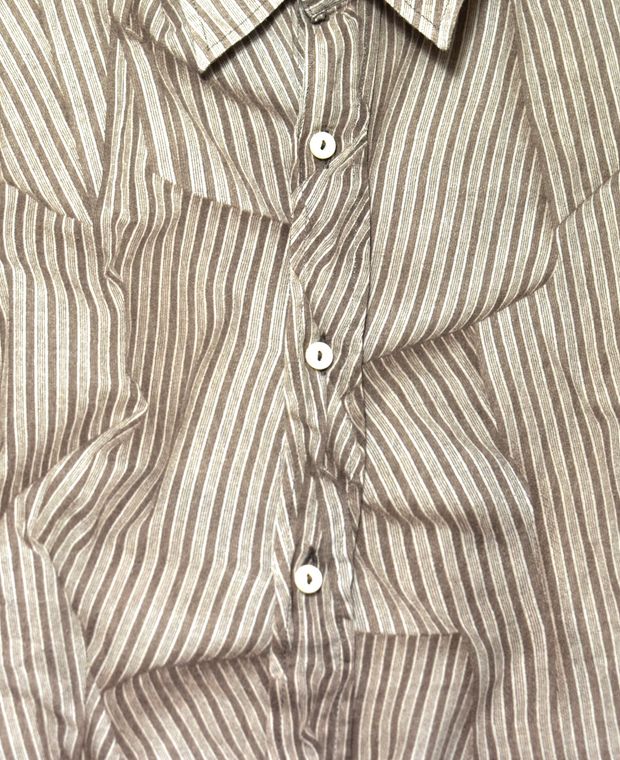
Cotton creases because of how its fibres hold water and heat. Weave, yarn, weight and finish decide how much that shows, and how quickly it falls out.
Why cotton wrinkles, and how weave and finish change it
Cotton creases because of how its fibres hold water and heat. Weave, yarn, weight and finish decide how much that shows, and how quickly it falls out.
 Yarn count (Ne) explained: what the number means for cotton
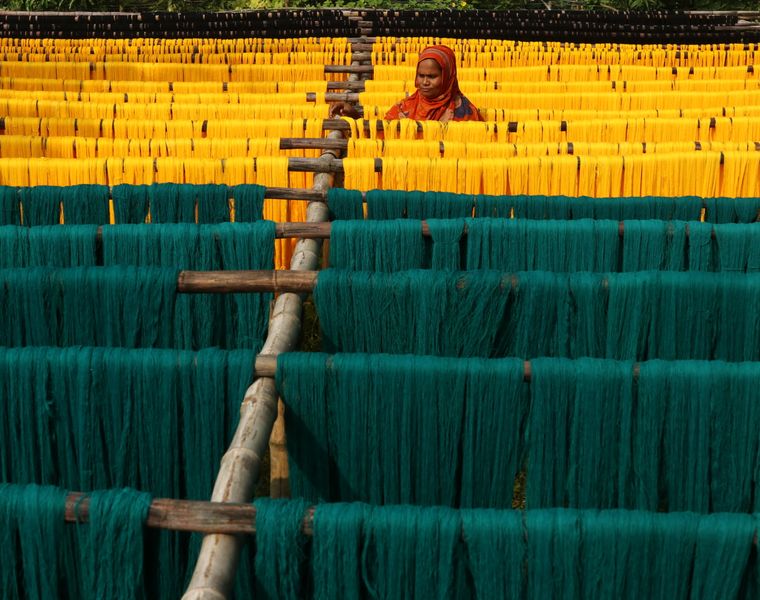
Ne 20, Ne 40/2, Ne 80: yarn counts appear on most cotton spec sheets. Here is what the number measures and how it shapes the cloth woven from it.
Yarn count (Ne) explained: what the number means for cotton
Ne 20, Ne 40/2, Ne 80: yarn counts appear on most cotton spec sheets. Here is what the number measures and how it shapes the cloth woven from it.