
Blog
Notes from the mill.
Practical guides on cotton fabric weights, weaves and printing, written for the people who buy and develop textiles.
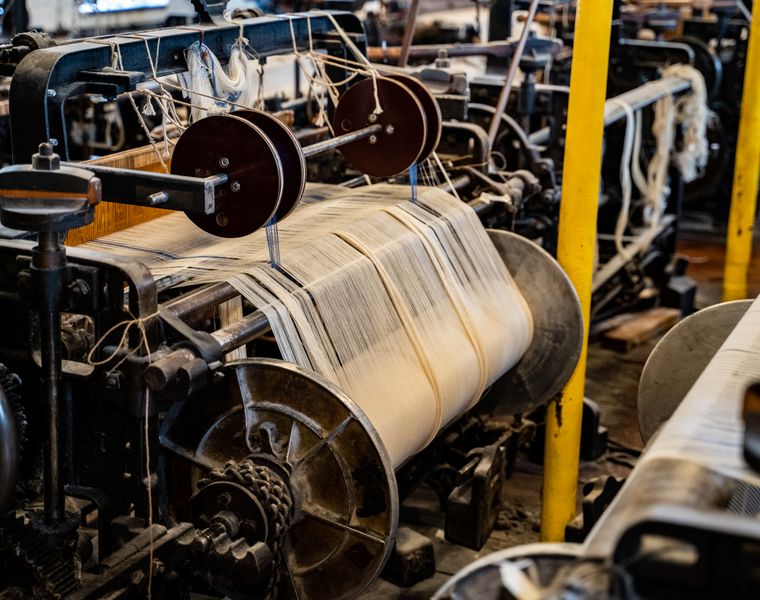 Why double-ply yarns make a stronger canvas
Two canvases can weigh the same and still perform very differently. The yarn is usually the reason. Here is what plying does and why it matters for heavy cotton.
Why double-ply yarns make a stronger canvas
Two canvases can weigh the same and still perform very differently. The yarn is usually the reason. Here is what plying does and why it matters for heavy cotton.
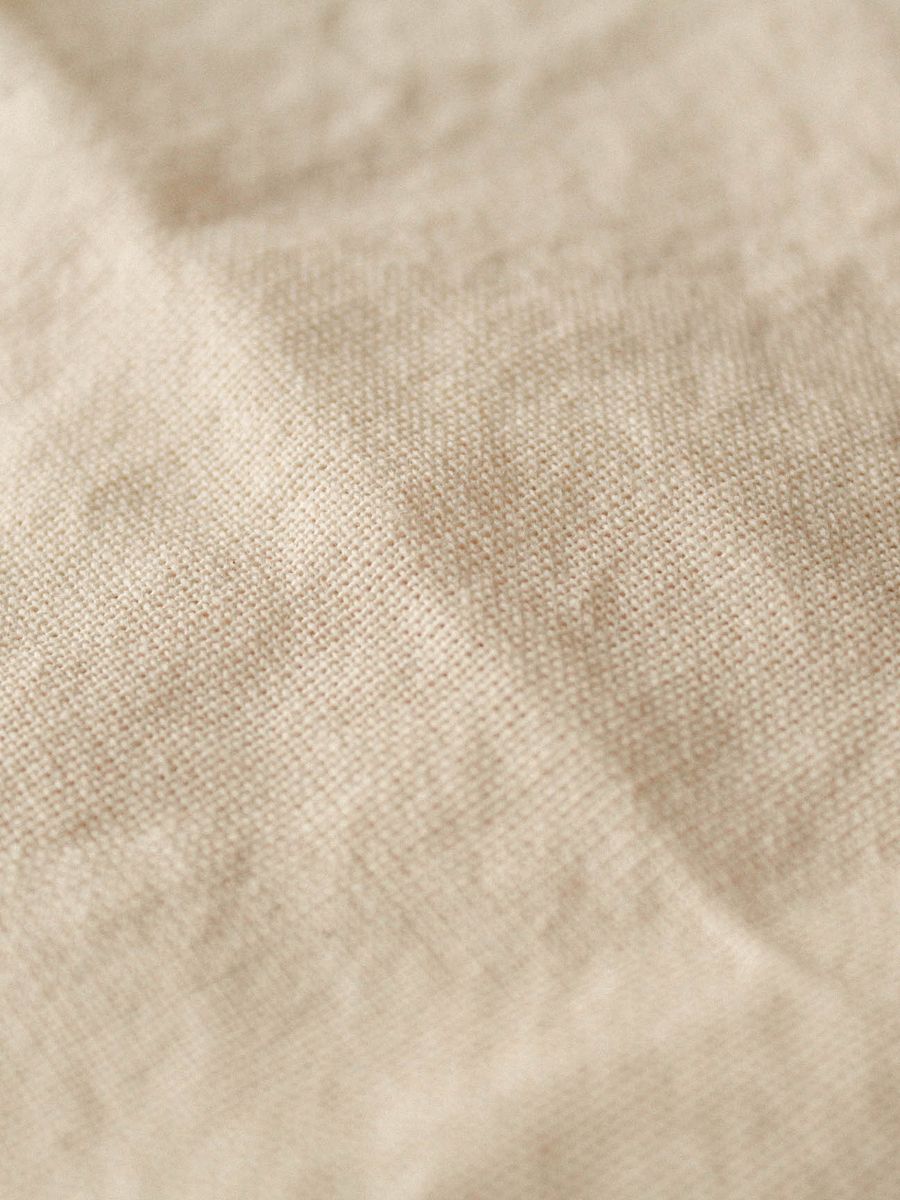 Cotton poplin: what makes it smooth and crisp
Poplin is a plain weave, but a very particular one. Its construction explains the smooth face, the crisp handle and why it prints so sharply.
Cotton poplin: what makes it smooth and crisp
Poplin is a plain weave, but a very particular one. Its construction explains the smooth face, the crisp handle and why it prints so sharply.
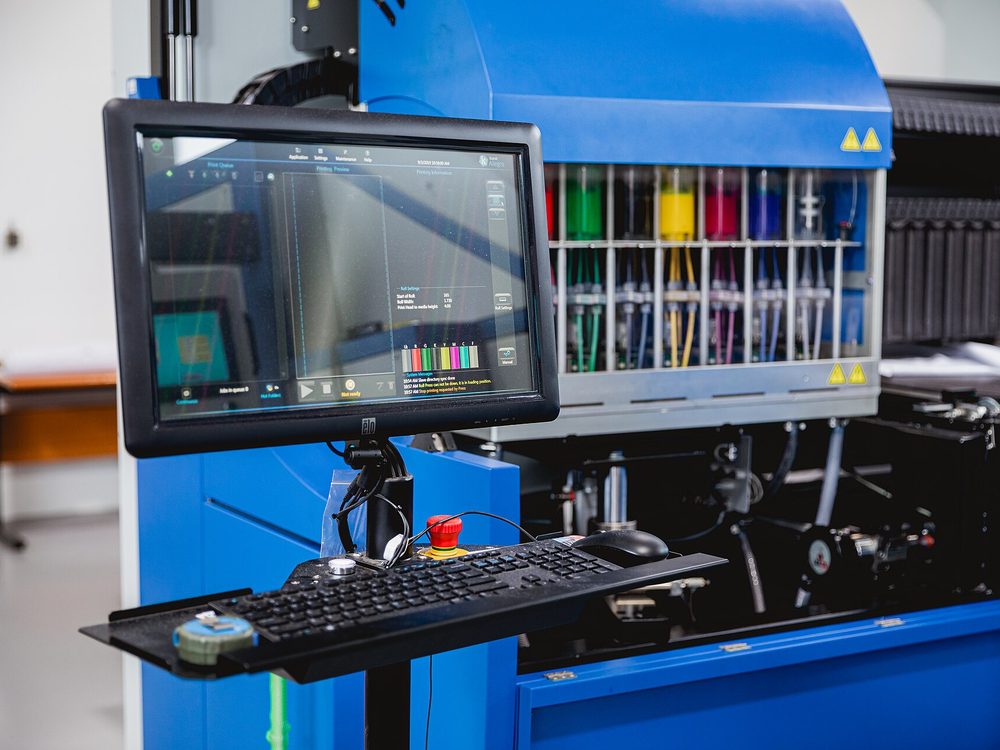 How to prepare artwork files for digital textile printing
Most delays in a printing order start with the file. This checklist covers resolution, colour mode, formats, repeat size and naming, so the first strike-off is close to right.
How to prepare artwork files for digital textile printing
Most delays in a printing order start with the file. This checklist covers resolution, colour mode, formats, repeat size and naming, so the first strike-off is close to right.
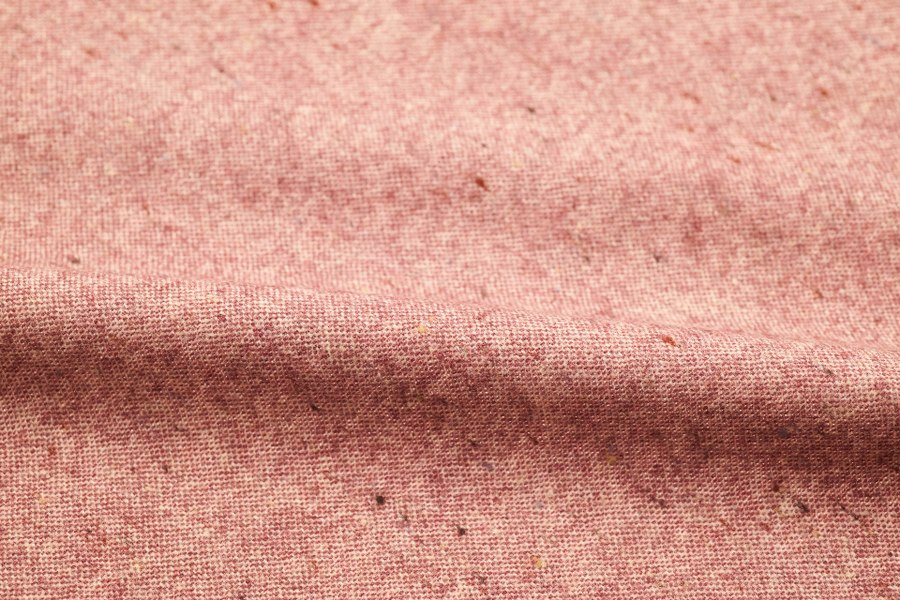 Piece dyeing explained: how woven cotton is dyed by the roll
Most solid-colour cotton is dyed after weaving, as whole pieces of cloth. Here is how that works and when yarn dyeing is the better choice.
Piece dyeing explained: how woven cotton is dyed by the roll
Most solid-colour cotton is dyed after weaving, as whole pieces of cloth. Here is how that works and when yarn dyeing is the better choice.
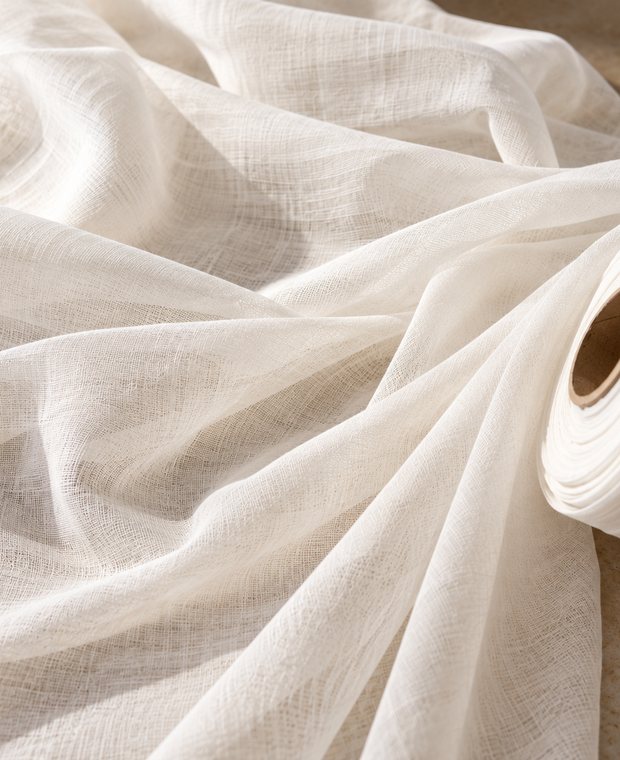 What is muslin fabric? Weave, weight and where it is used
Muslin is one of the simplest cloths a mill can weave, and one of the most useful. Here is what defines it and why so many trades rely on it.
What is muslin fabric? Weave, weight and where it is used
Muslin is one of the simplest cloths a mill can weave, and one of the most useful. Here is what defines it and why so many trades rely on it.
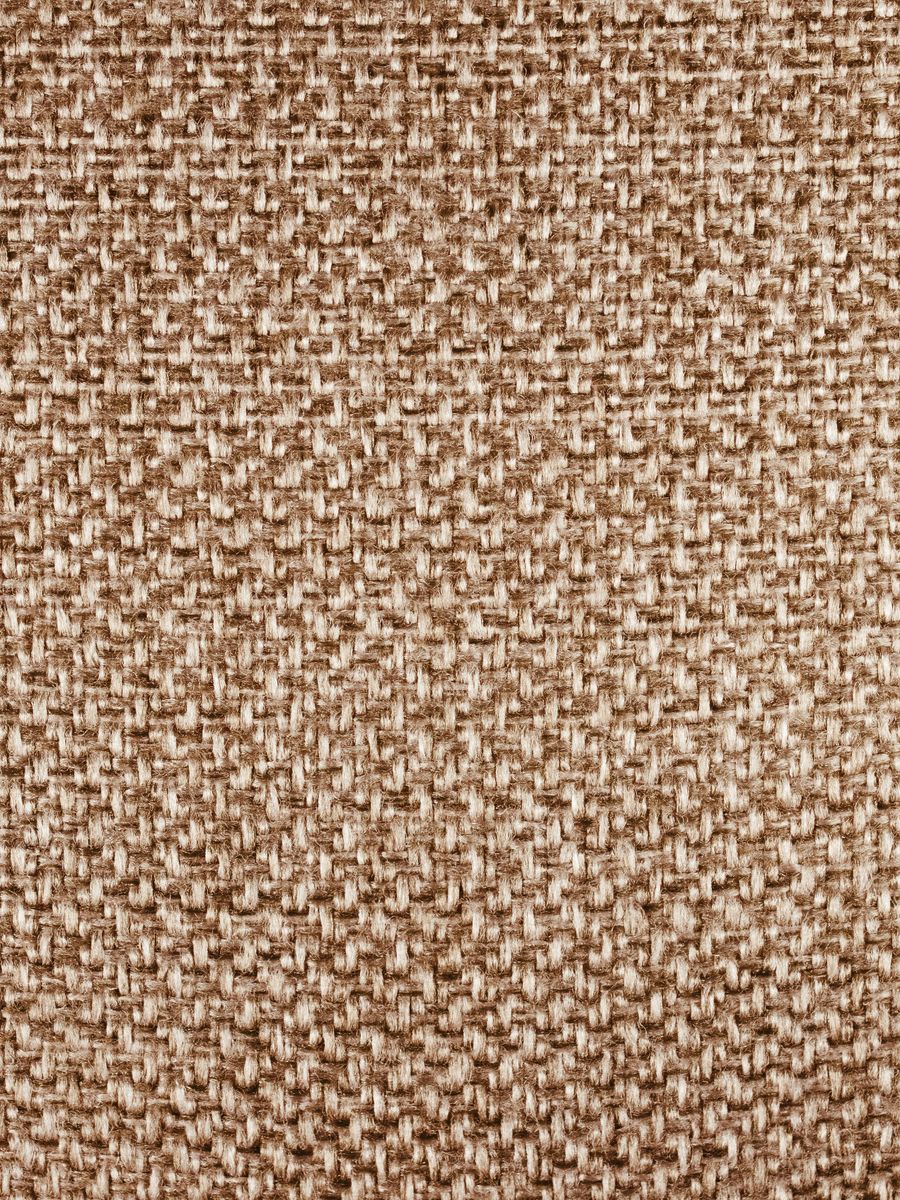 What is panama fabric? The basket weave behind tea towels
Panama is a simple basket weave with a surprisingly wide range of uses. Here is how it is built and how the two common weights compare.
Warp and weft: the two directions of a woven fabric
Every woven fabric has two directions, and they are rarely identical. Here is what warp and weft are and why the difference matters in use.
What is panama fabric? The basket weave behind tea towels
Panama is a simple basket weave with a surprisingly wide range of uses. Here is how it is built and how the two common weights compare.
Warp and weft: the two directions of a woven fabric
Every woven fabric has two directions, and they are rarely identical. Here is what warp and weft are and why the difference matters in use.
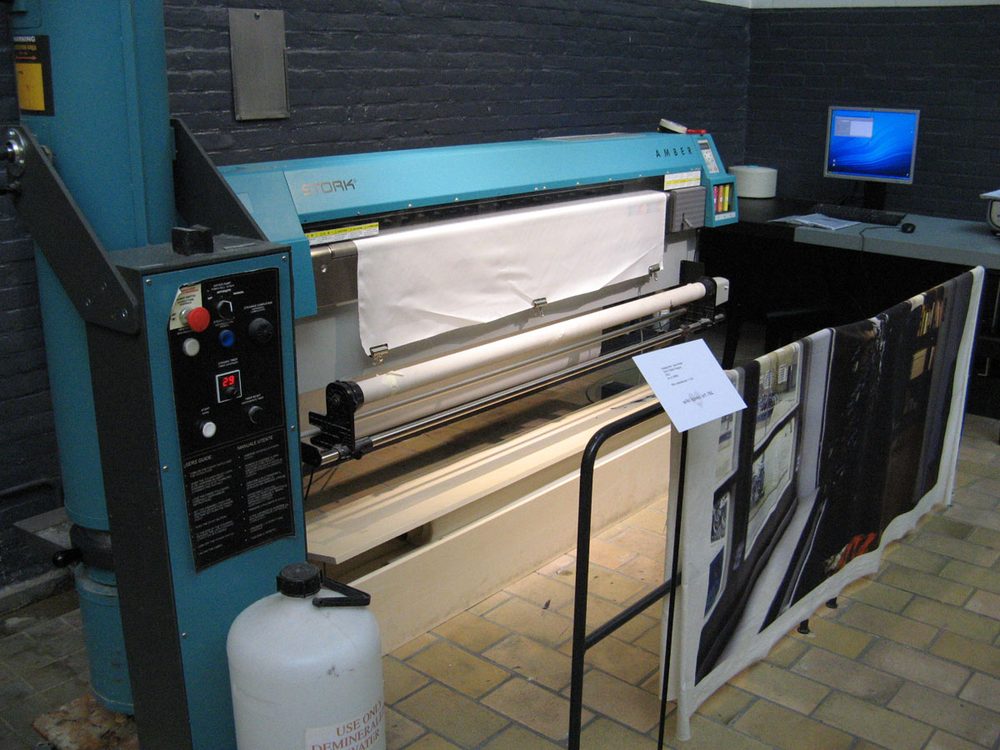 Reactive digital printing on cotton, step by step
A reactive print is made in five stages, and only one of them is the printing itself. Here is what happens to the cloth at each step and why.
Reactive digital printing on cotton, step by step
A reactive print is made in five stages, and only one of them is the printing itself. Here is what happens to the cloth at each step and why.