
Blog
Notes from the mill.
Practical guides on cotton fabric weights, weaves and printing, written for the people who buy and develop textiles.
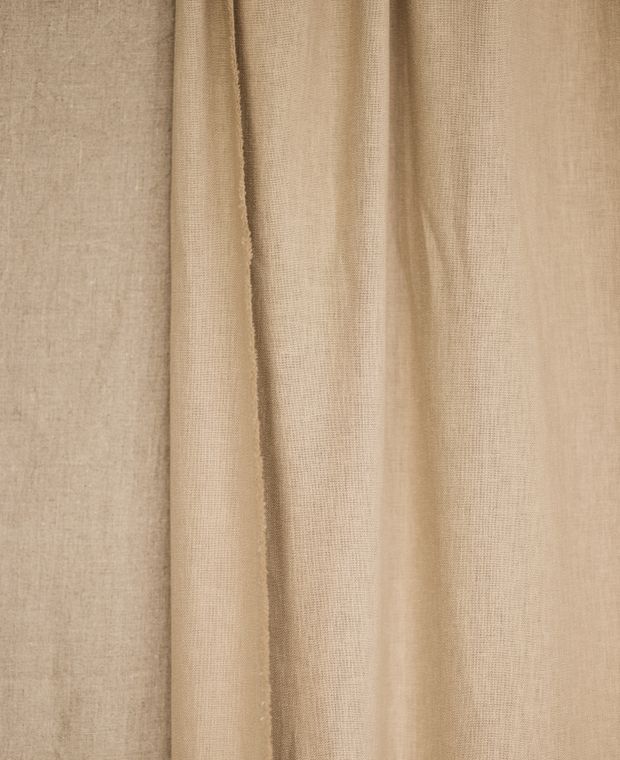 Choosing cotton curtain fabric: weight, drape and light
Weight, weave and colour decide how a cotton curtain hangs and how much light it lets through. Here is how to balance them.
Choosing cotton curtain fabric: weight, drape and light
Weight, weave and colour decide how a cotton curtain hangs and how much light it lets through. Here is how to balance them.
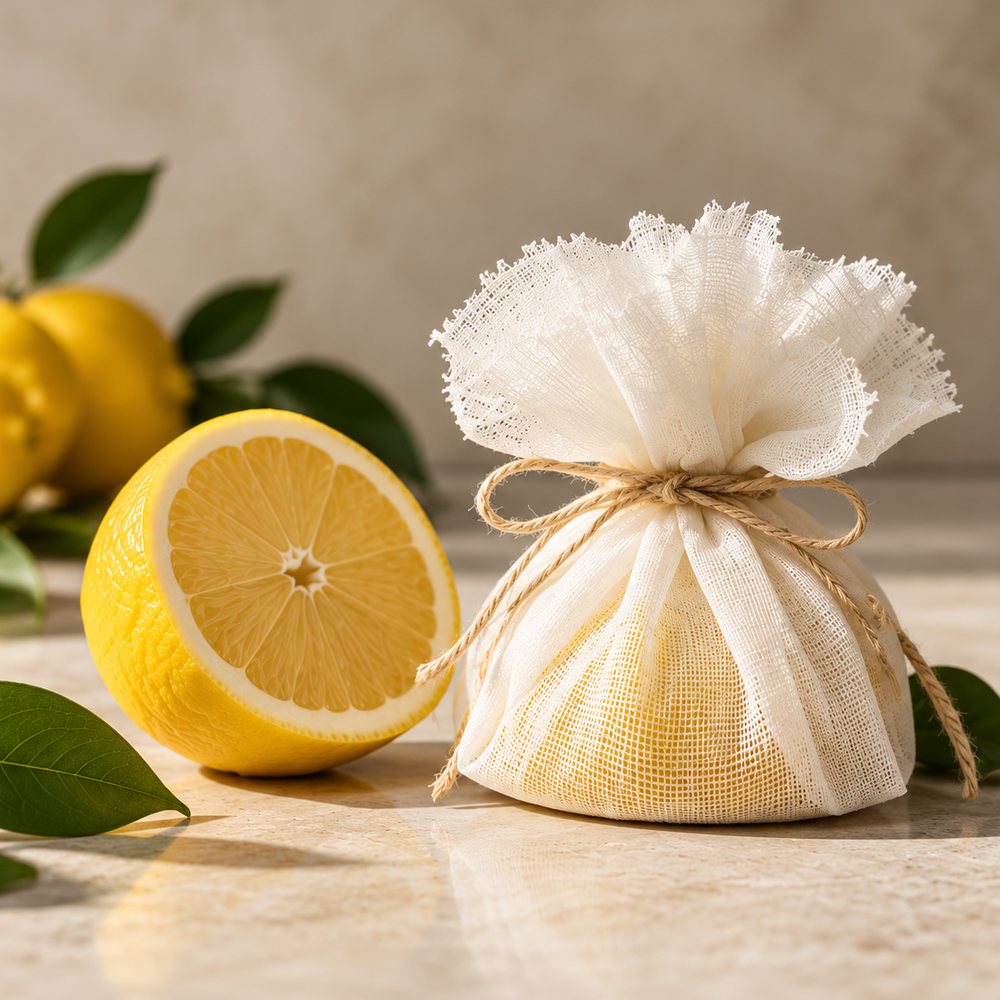 Lemon wraps: the small muslin detail used at the table
A lemon half in a muslin wrap tells a diner the kitchen has thought about the plate. Here is what lemon wraps do and what to look for when buying them.
Lemon wraps: the small muslin detail used at the table
A lemon half in a muslin wrap tells a diner the kitchen has thought about the plate. Here is what lemon wraps do and what to look for when buying them.
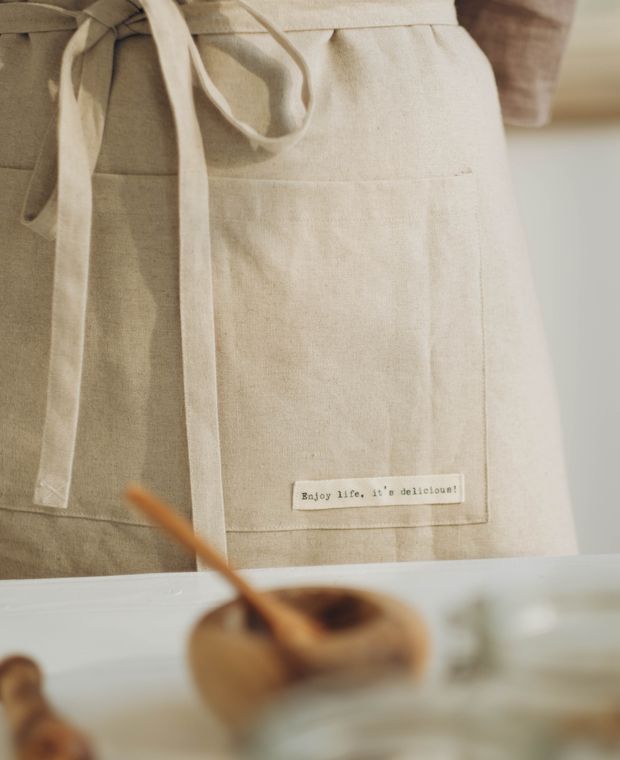 Aprons for cafés and bakeries: size, colour, pockets and logos
A café apron is worn all day, washed constantly and seen by every customer. Here is how to choose the style, colour, pockets and logo so it works on both counts.
Aprons for cafés and bakeries: size, colour, pockets and logos
A café apron is worn all day, washed constantly and seen by every customer. Here is how to choose the style, colour, pockets and logo so it works on both counts.
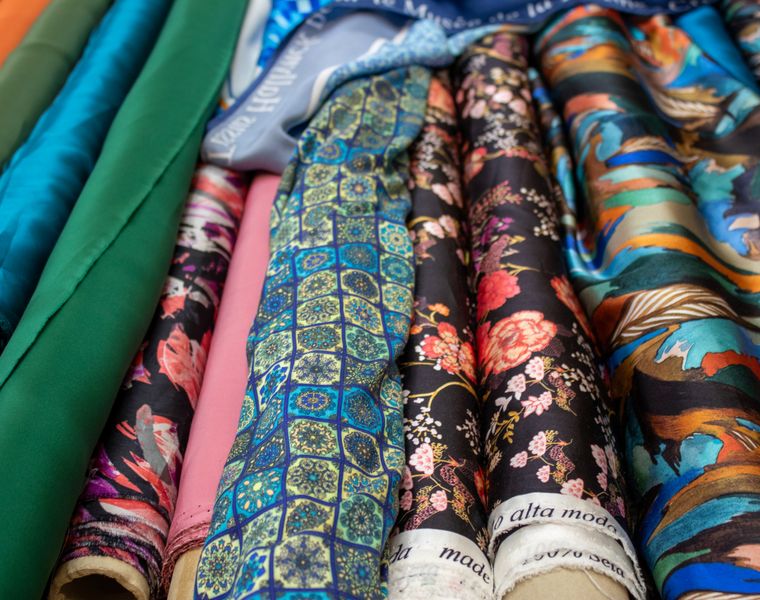 Colour matching in textile printing: strike-offs and light
Two people can look at the same printed swatch and disagree about the colour. A shared standard, the right light and a clear tolerance settle the question.
Colour matching in textile printing: strike-offs and light
Two people can look at the same printed swatch and disagree about the colour. A shared standard, the right light and a clear tolerance settle the question.
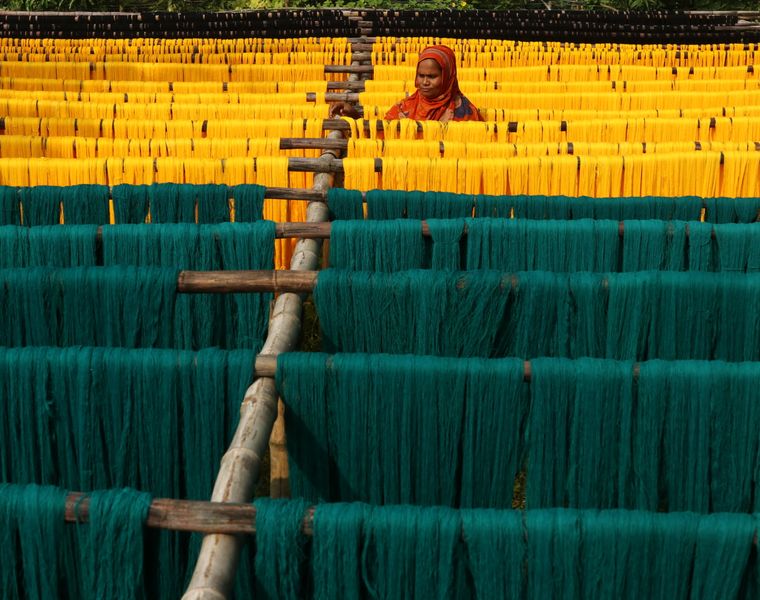 Colour bleeding in cotton: why it happens and how to prevent it
Colour that runs in the wash is almost always dye that never properly bonded to the fibre. Here is where it comes from and how it is kept in the cloth.
Colour bleeding in cotton: why it happens and how to prevent it
Colour that runs in the wash is almost always dye that never properly bonded to the fibre. Here is where it comes from and how it is kept in the cloth.
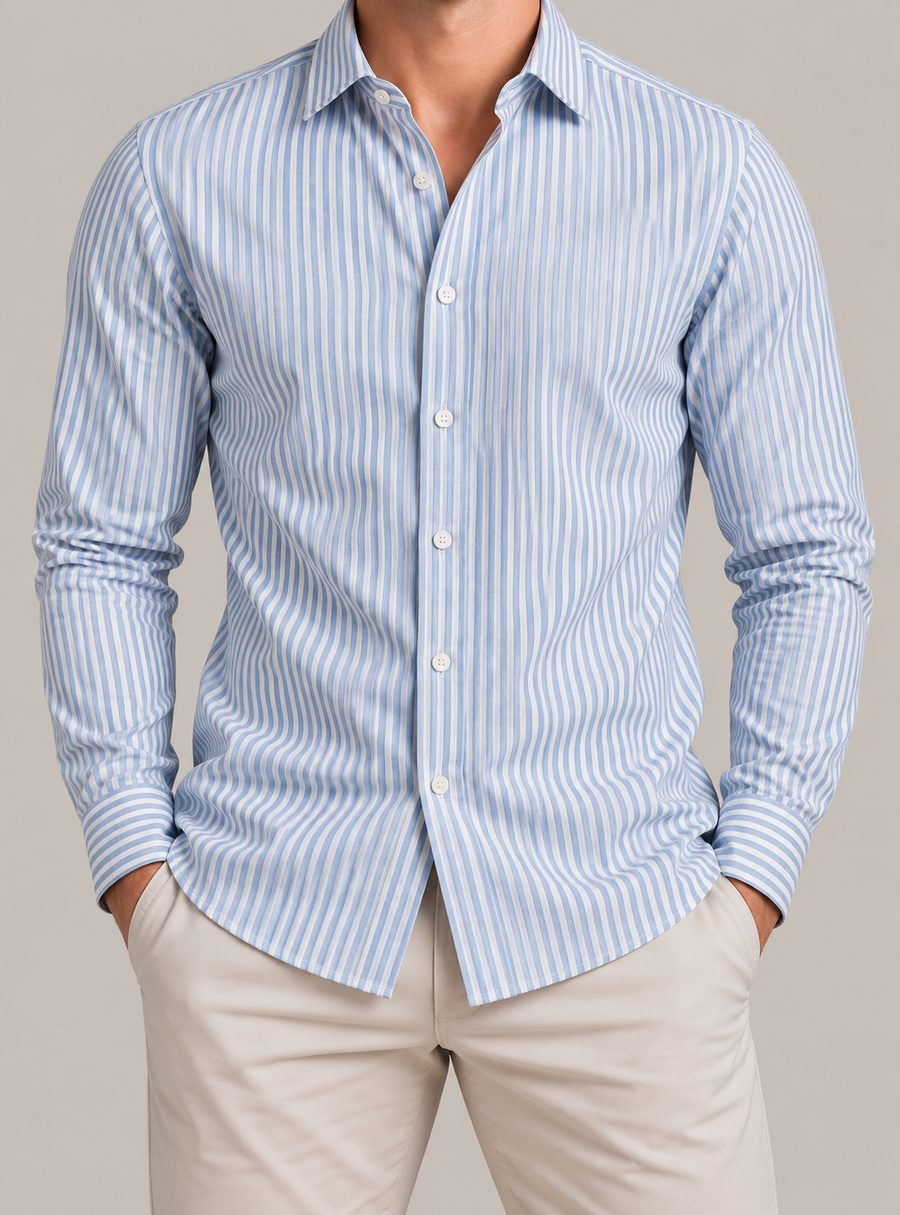 Yarn-dyed vs printed stripes: how to tell and when to choose
A stripe can be woven from coloured yarns or printed onto white cloth. The two can look alike on the roll but behave differently in cost, flexibility and wear.
Yarn-dyed vs printed stripes: how to tell and when to choose
A stripe can be woven from coloured yarns or printed onto white cloth. The two can look alike on the roll but behave differently in cost, flexibility and wear.
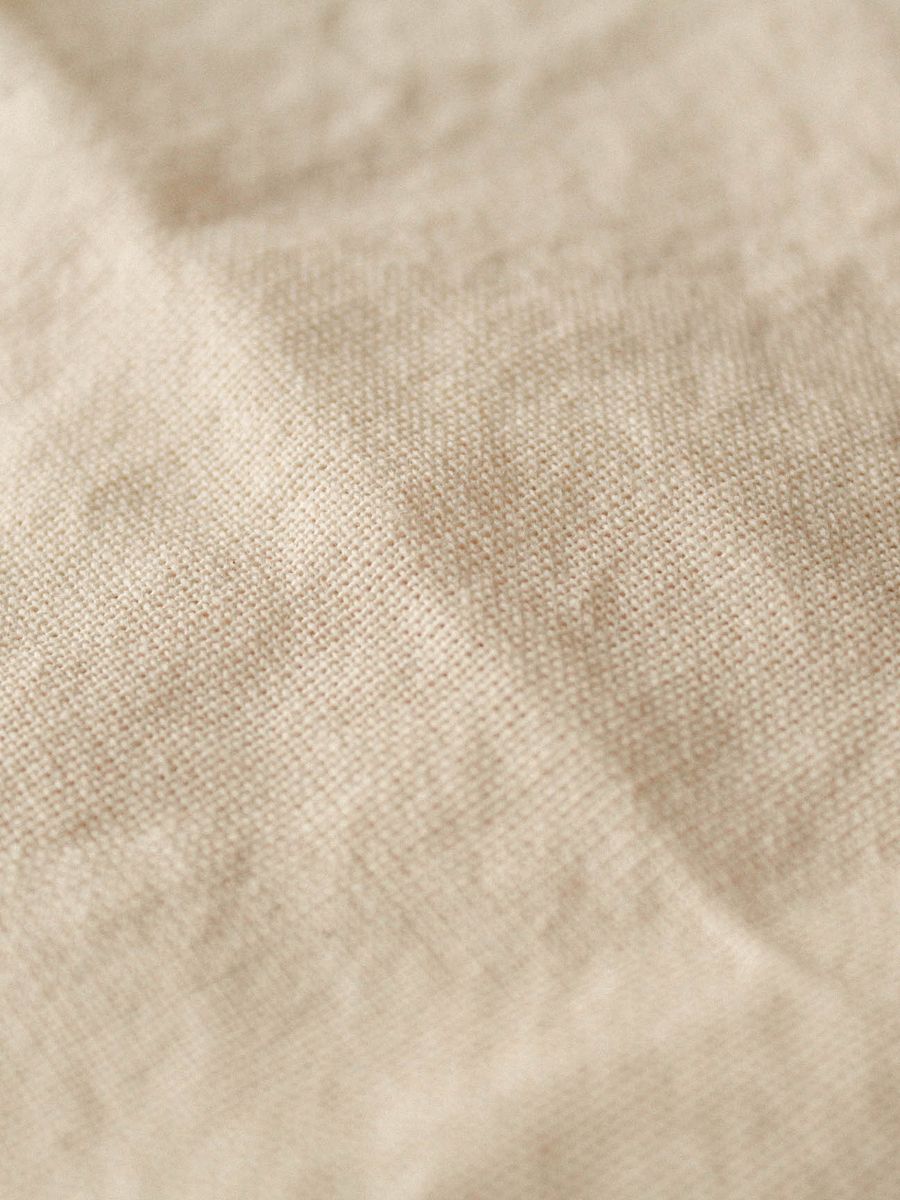 Singeing and mercerising: finishes that change cotton's surface
Singeing and mercerising happen early in cotton finishing and change how a fabric looks, takes colour and prints. Here is what each one does.
Singeing and mercerising: finishes that change cotton's surface
Singeing and mercerising happen early in cotton finishing and change how a fabric looks, takes colour and prints. Here is what each one does.
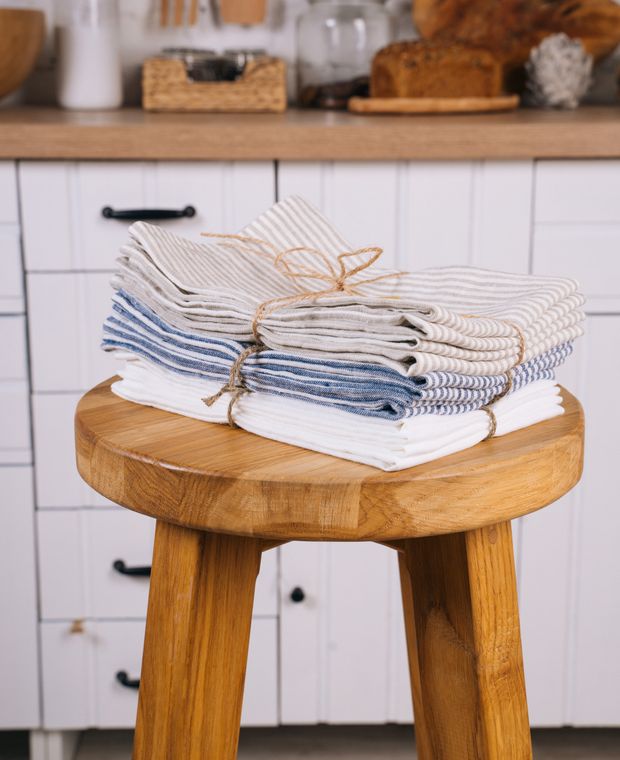 Launching a tea towel line: quality, size, print and packaging
A tea towel looks like a simple product, but a line of them involves a dozen decisions. Here they are in the order a home-textile brand usually meets them.
Launching a tea towel line: quality, size, print and packaging
A tea towel looks like a simple product, but a line of them involves a dozen decisions. Here they are in the order a home-textile brand usually meets them.
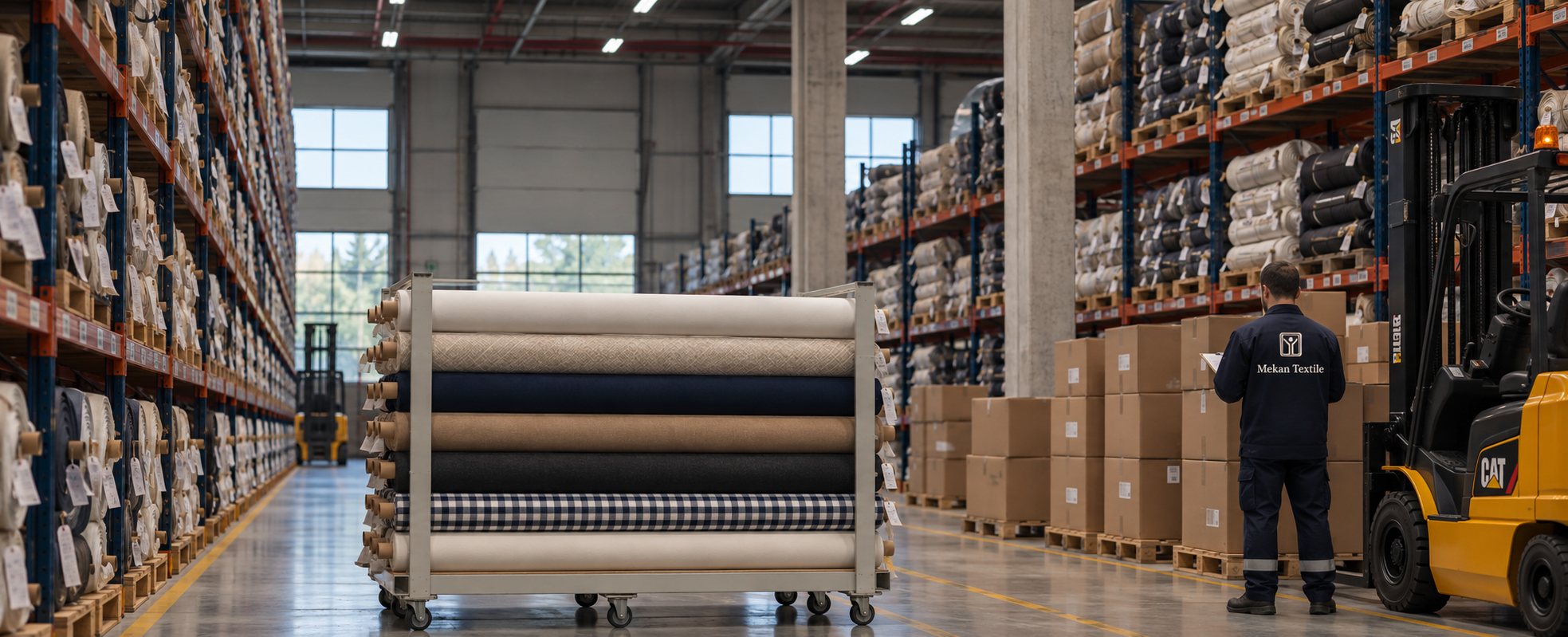 Sourcing cotton fabric from Türkiye: what to ask a mill
A good first conversation with a mill saves weeks later. These are the questions worth asking before the first sample is cut.
Sourcing cotton fabric from Türkiye: what to ask a mill
A good first conversation with a mill saves weeks later. These are the questions worth asking before the first sample is cut.
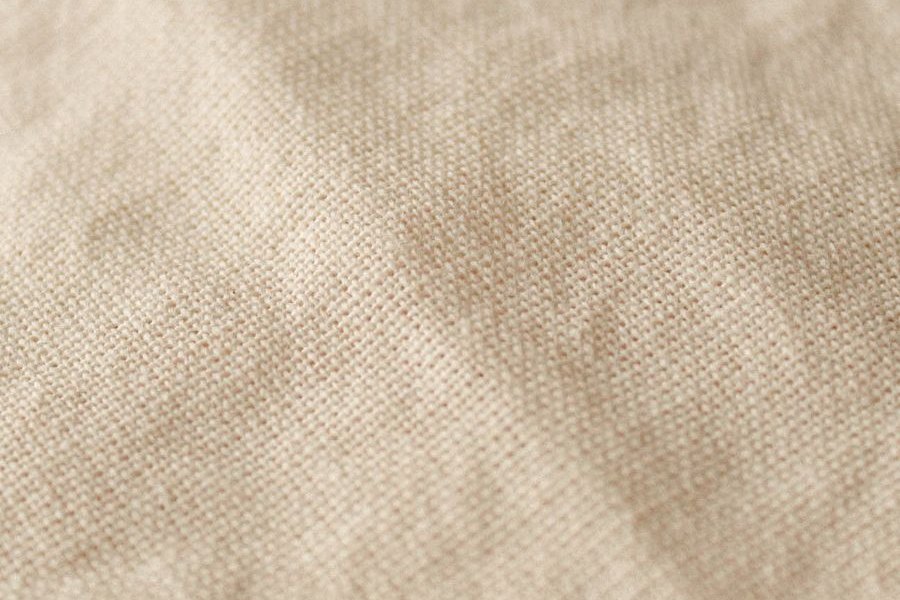 Shrinkage in cotton fabrics: causes, testing and cutting
Every cotton fabric changes size a little when it is first washed. Knowing why, and how much, is what keeps finished sizes on spec.
Shrinkage in cotton fabrics: causes, testing and cutting
Every cotton fabric changes size a little when it is first washed. Knowing why, and how much, is what keeps finished sizes on spec.
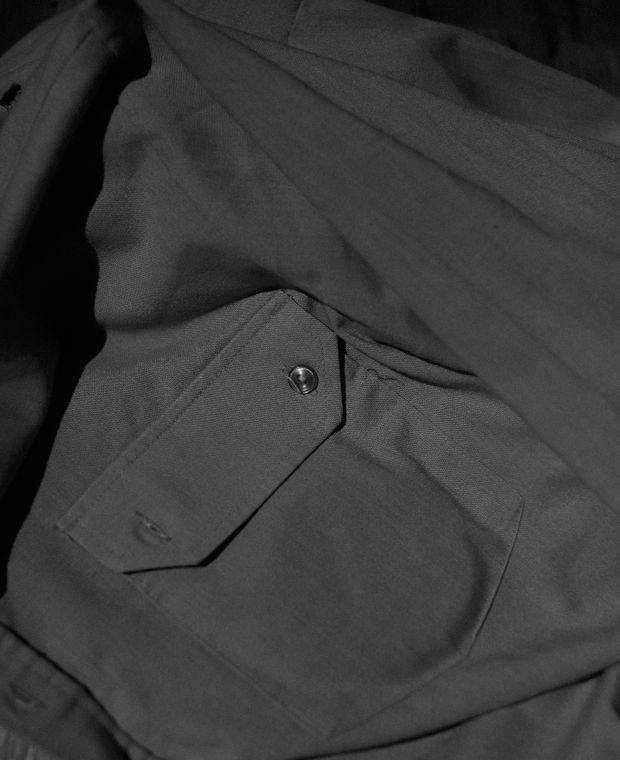 Pilling in woven cotton fabrics: causes and how to avoid it
Pills are small balls of tangled fibre that form where a fabric rubs. Here is why they appear on woven cotton, and what can be specified to keep them away.
Pilling in woven cotton fabrics: causes and how to avoid it
Pills are small balls of tangled fibre that form where a fabric rubs. Here is why they appear on woven cotton, and what can be specified to keep them away.
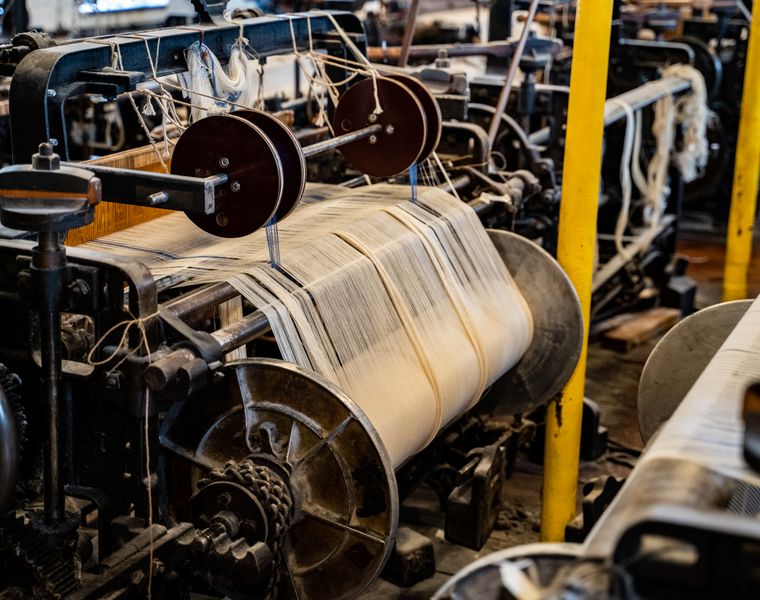 Plain, twill and satin weaves compared for cotton fabrics
Almost every woven cotton belongs to one of three basic weaves. How the yarns interlace decides how the cloth feels, wears, drapes and takes a print.
Plain, twill and satin weaves compared for cotton fabrics
Almost every woven cotton belongs to one of three basic weaves. How the yarns interlace decides how the cloth feels, wears, drapes and takes a print.