
Blog
Notes from the mill.
Practical guides on cotton fabric weights, weaves and printing, written for the people who buy and develop textiles.
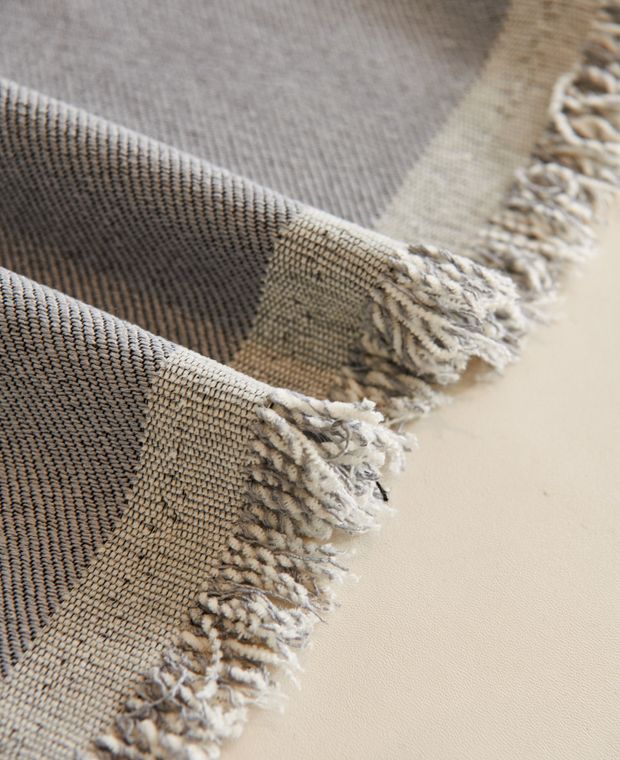 Cushion covers and home accessories in cotton canvas
Heavy cotton canvas gives cushion covers and home accessories the structure and wear resistance of upholstery, with the simplicity of a natural fibre.
Cushion covers and home accessories in cotton canvas
Heavy cotton canvas gives cushion covers and home accessories the structure and wear resistance of upholstery, with the simplicity of a natural fibre.
 Bleach and printed cotton: what chlorine and oxygen bleach do
Chlorine and oxygen bleach both remove colour, but not in the same way or to the same degree. Here is what each does to printed cotton.
Bleach and printed cotton: what chlorine and oxygen bleach do
Chlorine and oxygen bleach both remove colour, but not in the same way or to the same degree. Here is what each does to printed cotton.
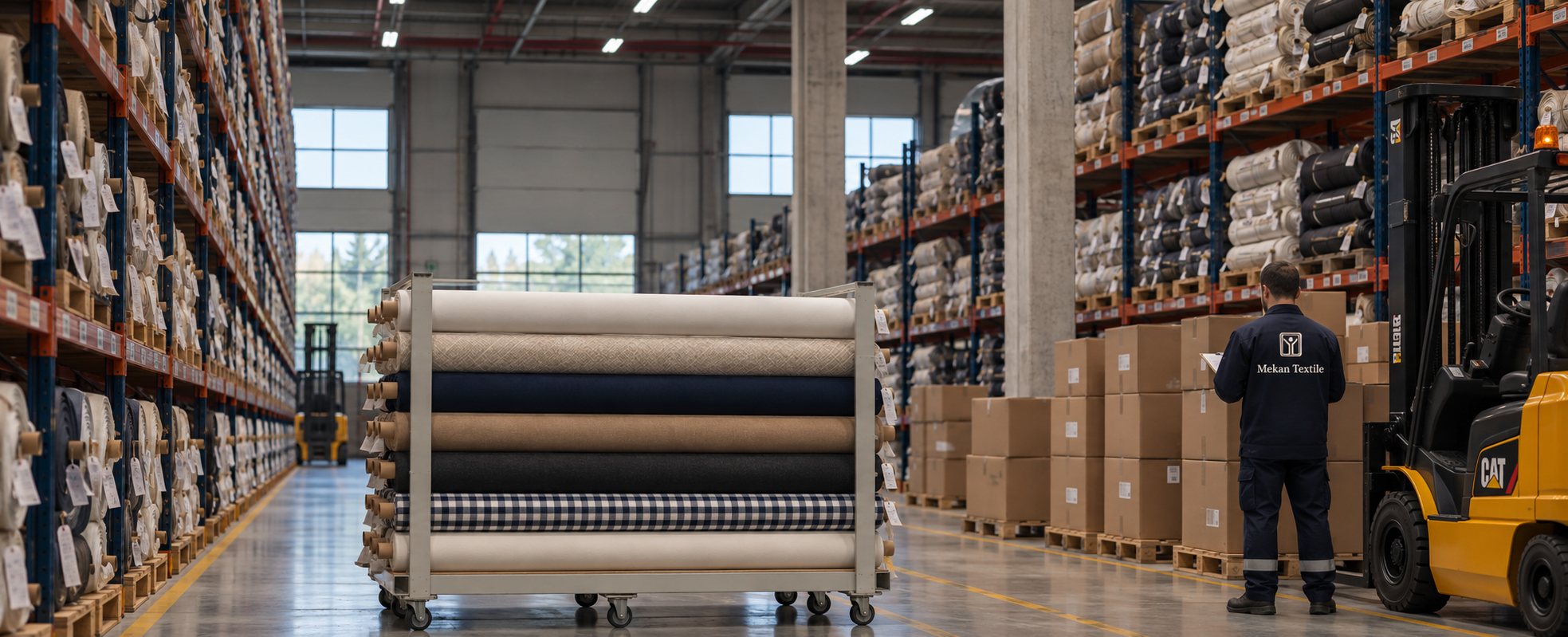 Reducing fabric waste in cutting: markers, widths and layouts
Fabric is usually the largest cost in a sewn product, and a share of it ends up on the cutting room floor. Here is how markers, widths and layouts decide how much.
Reducing fabric waste in cutting: markers, widths and layouts
Fabric is usually the largest cost in a sewn product, and a share of it ends up on the cutting room floor. Here is how markers, widths and layouts decide how much.
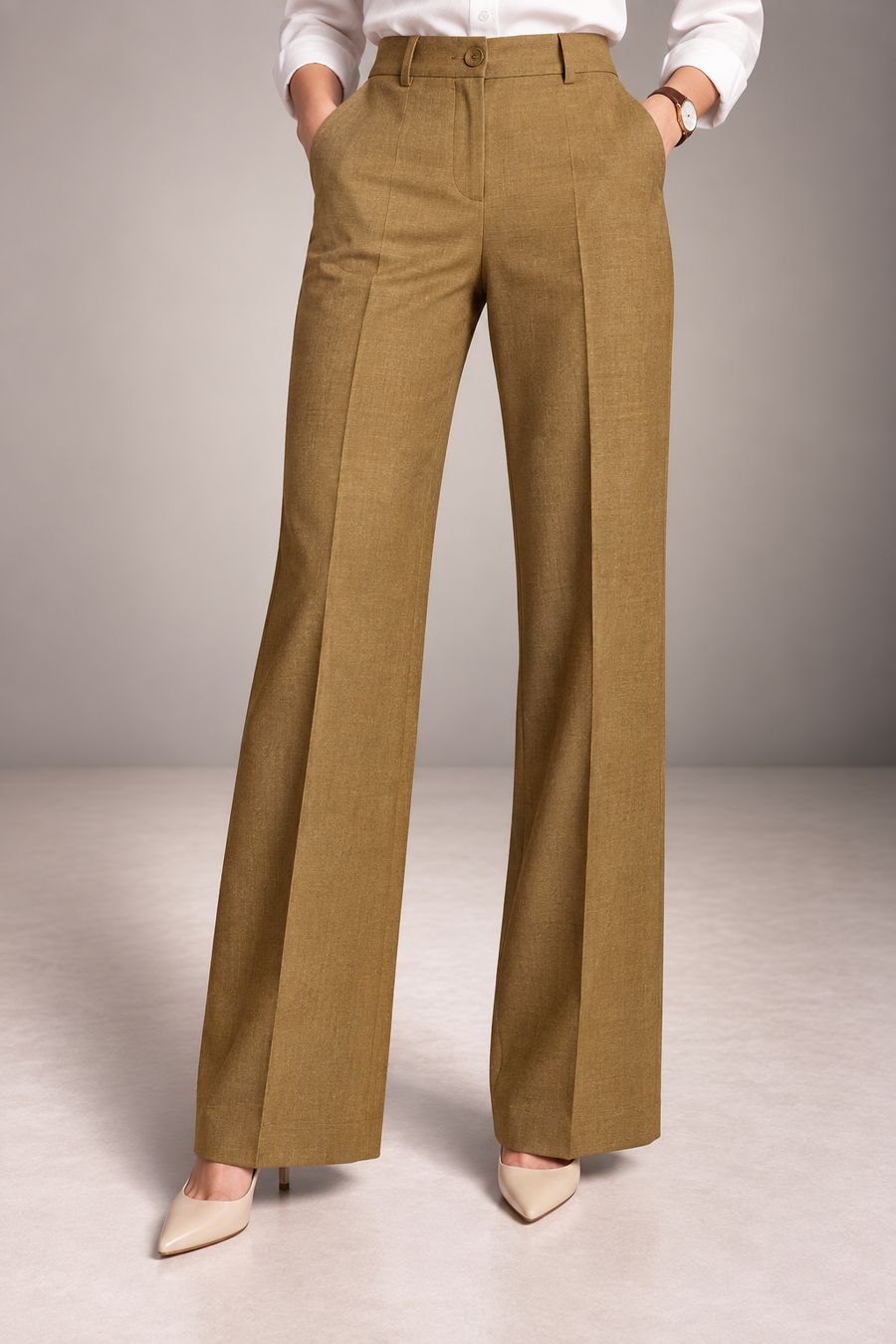 What is lyocell, and why is it in shirting and trousers?
Lyocell is a cellulose fibre made from wood pulp. It adds drape, smoothness and a cool touch to cotton and linen, which is why it turns up in so many blends.
Printed napkins and table runners for events and weddings
Printed cotton napkins and runners can carry an event's colours, names or a pattern drawn for the day. Here is how to plan them so they arrive on time and look right on the table.
Storing fabric rolls: light, humidity, handling and stock rotation
A roll of fabric can be spoiled in storage long before it reaches the cutting table. Light, damp, weight and poor rotation are the usual causes.
Fabric width and cutting economy: 144 cm vs 158 cm
A wider fabric costs more per metre, but it can cost less per garment. Whether it does depends on how the pattern pieces fit across the width.
What is lyocell, and why is it in shirting and trousers?
Lyocell is a cellulose fibre made from wood pulp. It adds drape, smoothness and a cool touch to cotton and linen, which is why it turns up in so many blends.
Printed napkins and table runners for events and weddings
Printed cotton napkins and runners can carry an event's colours, names or a pattern drawn for the day. Here is how to plan them so they arrive on time and look right on the table.
Storing fabric rolls: light, humidity, handling and stock rotation
A roll of fabric can be spoiled in storage long before it reaches the cutting table. Light, damp, weight and poor rotation are the usual causes.
Fabric width and cutting economy: 144 cm vs 158 cm
A wider fabric costs more per metre, but it can cost less per garment. Whether it does depends on how the pattern pieces fit across the width.
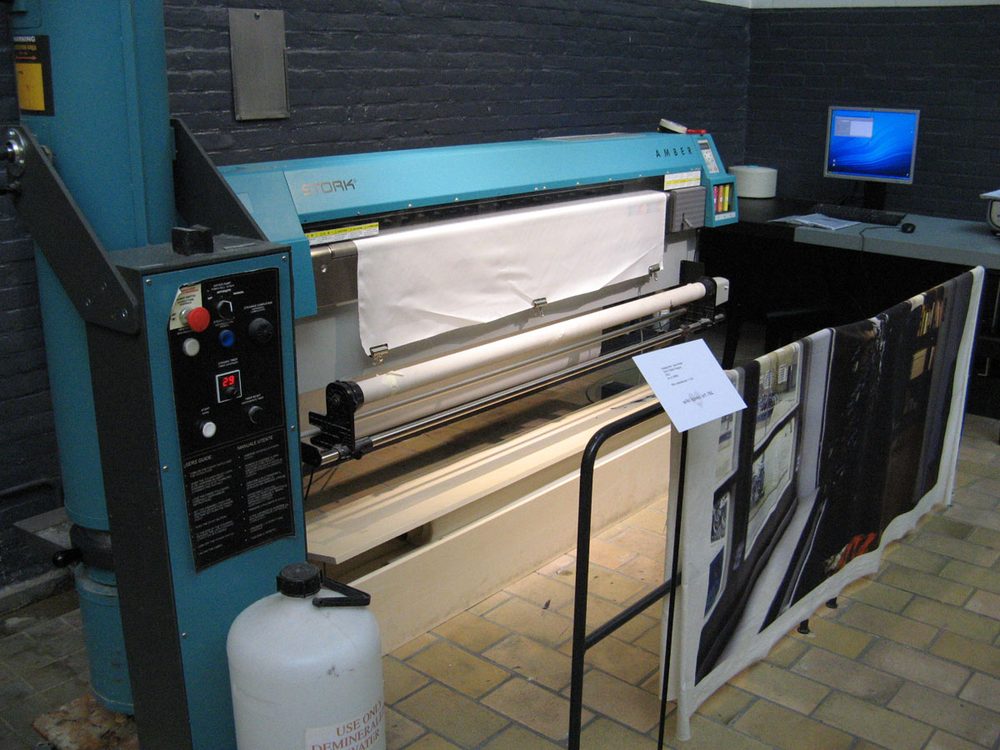 Water in textile printing and dyeing: reactive vs pigment
Water runs through almost every step of cotton processing. Here is where it is used, and why reactive and pigment printing differ so much in how much they need.
Water in textile printing and dyeing: reactive vs pigment
Water runs through almost every step of cotton processing. Here is where it is used, and why reactive and pigment printing differ so much in how much they need.
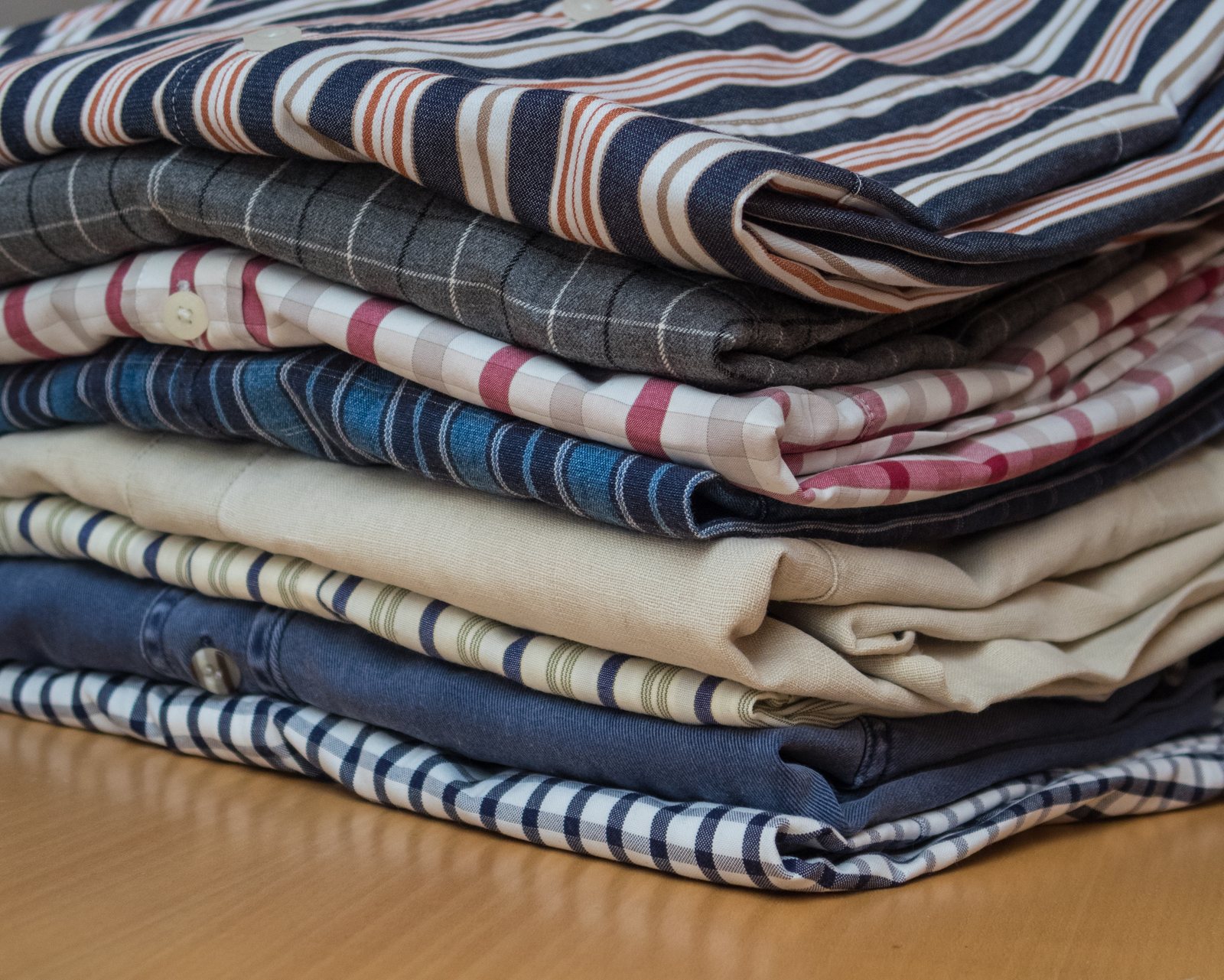 Sampling shirting and trouser fabrics by code: a guide for brands
A fabric code turns a vague request into a precise one. Here is how a fashion brand can shortlist, sample and approve shirting and trouser fabrics with less back and forth.
Table linen fabrics: panama, poplin and drill
Tablecloths, napkins and runners ask different things of a fabric. Here is how three cotton weaves compare for table linen.
Sampling shirting and trouser fabrics by code: a guide for brands
A fabric code turns a vague request into a precise one. Here is how a fashion brand can shortlist, sample and approve shirting and trouser fabrics with less back and forth.
Table linen fabrics: panama, poplin and drill
Tablecloths, napkins and runners ask different things of a fabric. Here is how three cotton weaves compare for table linen.
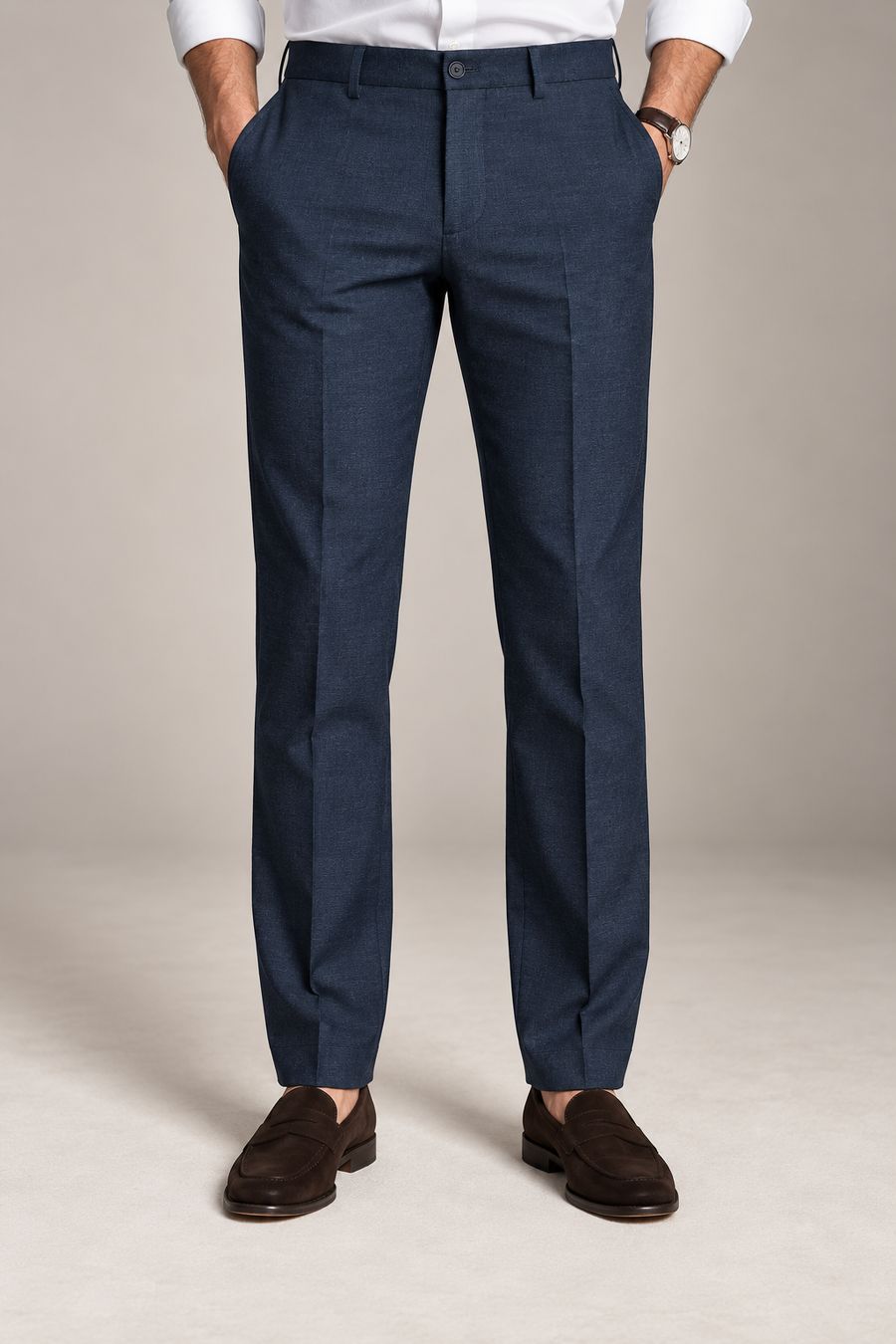 How much elastane is enough in a woven fabric?
A few percent of elastane changes how a woven fabric moves. Here is how much a shirt needs, how much a trouser needs, and what to check.
Washing and caring for cotton-linen blends
Cotton-linen is easy to live with once you know its habits: it shrinks a little, creases readily and softens with every wash. A practical care guide.
How much elastane is enough in a woven fabric?
A few percent of elastane changes how a woven fabric moves. Here is how much a shirt needs, how much a trouser needs, and what to check.
Washing and caring for cotton-linen blends
Cotton-linen is easy to live with once you know its habits: it shrinks a little, creases readily and softens with every wash. A practical care guide.