
Blog
Notes from the mill.
Practical guides on cotton fabric weights, weaves and printing, written for the people who buy and develop textiles.
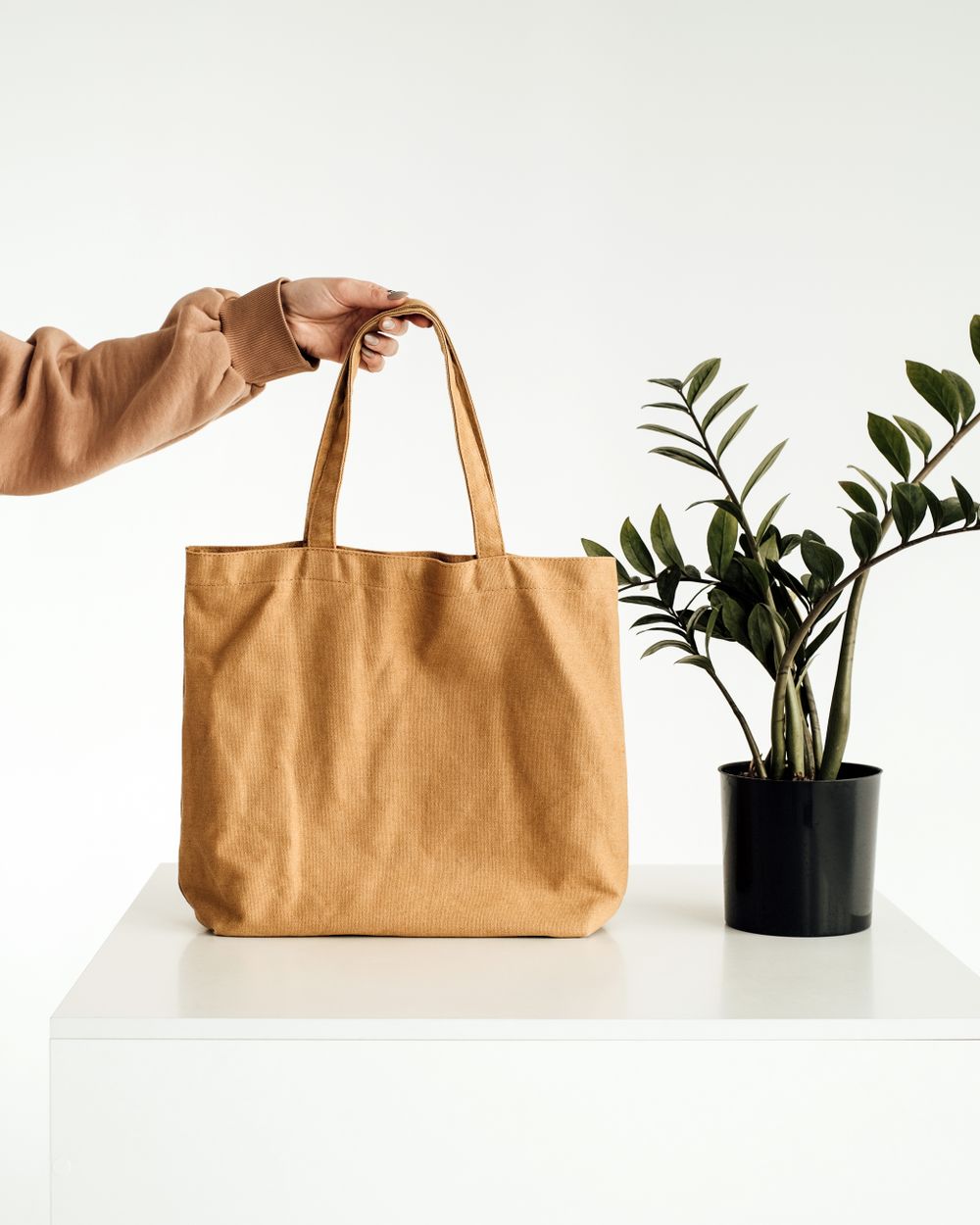 Printing on heavy canvas totes: reactive or pigment on 500 gsm
Printing on heavy canvas is not the same as printing on a light cotton. Here is what changes at 500 gsm and how to choose between reactive and pigment.
Printing on heavy canvas totes: reactive or pigment on 500 gsm
Printing on heavy canvas is not the same as printing on a light cotton. Here is what changes at 500 gsm and how to choose between reactive and pigment.
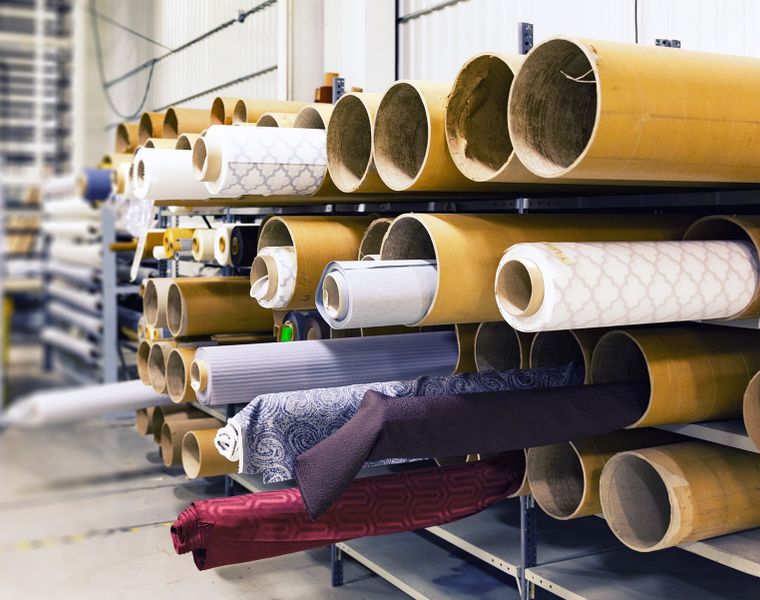 From file to bulk: how a printed fabric order is approved
A printed fabric order moves through a series of approvals between the first file and the finished rolls. Knowing them in advance keeps the order on time and the result as expected.
From file to bulk: how a printed fabric order is approved
A printed fabric order moves through a series of approvals between the first file and the finished rolls. Knowing them in advance keeps the order on time and the result as expected.
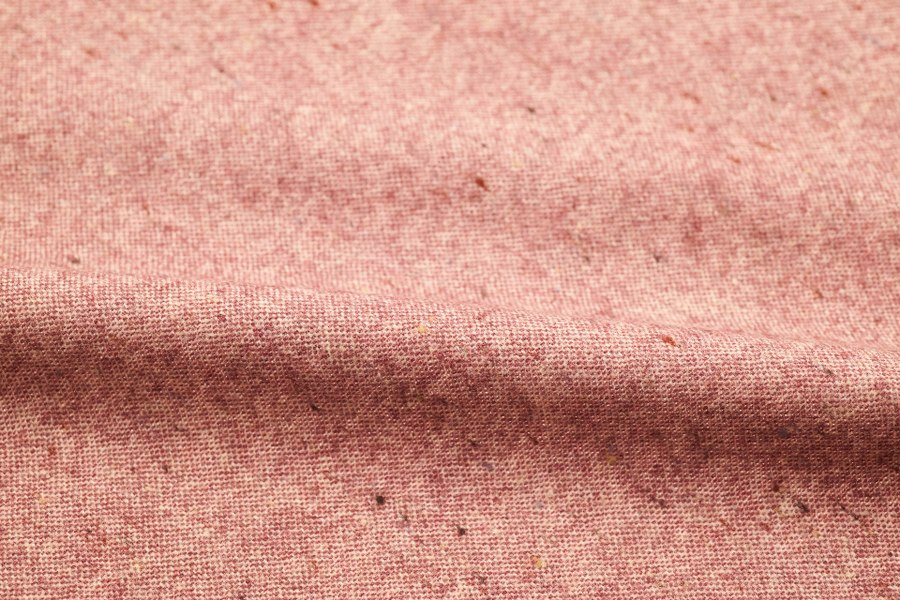 From colour reference to print: textile colour codes in printing
A textile colour code is a shared language between designer, buyer and printer. Used well, it cuts correction rounds. Used carelessly, it promises a shade the process cannot reach.
From colour reference to print: textile colour codes in printing
A textile colour code is a shared language between designer, buyer and printer. Used well, it cuts correction rounds. Used carelessly, it promises a shade the process cannot reach.
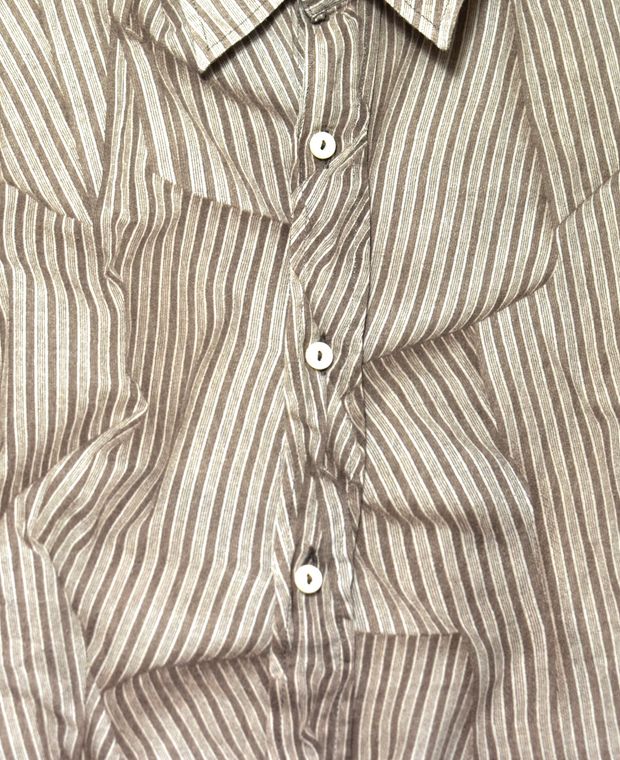 Cotton-linen blends for shirts and trousers
Cotton-linen sits between the softness of cotton and the crisp, dry handle of linen. The share of each fibre decides how the cloth behaves.
Cotton-linen blends for shirts and trousers
Cotton-linen sits between the softness of cotton and the crisp, dry handle of linen. The share of each fibre decides how the cloth behaves.
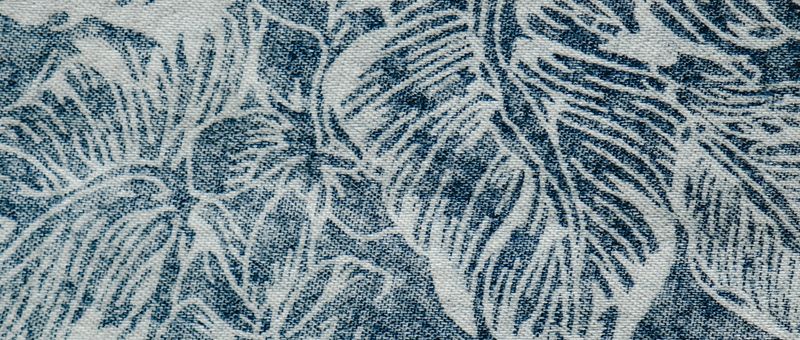 Reactive vs pigment printing on cotton: which one to choose
Both methods print beautifully on cotton, but they get there in different ways. The difference decides how the fabric feels, how it washes and how fast it can be made.
Reactive vs pigment printing on cotton: which one to choose
Both methods print beautifully on cotton, but they get there in different ways. The difference decides how the fabric feels, how it washes and how fast it can be made.
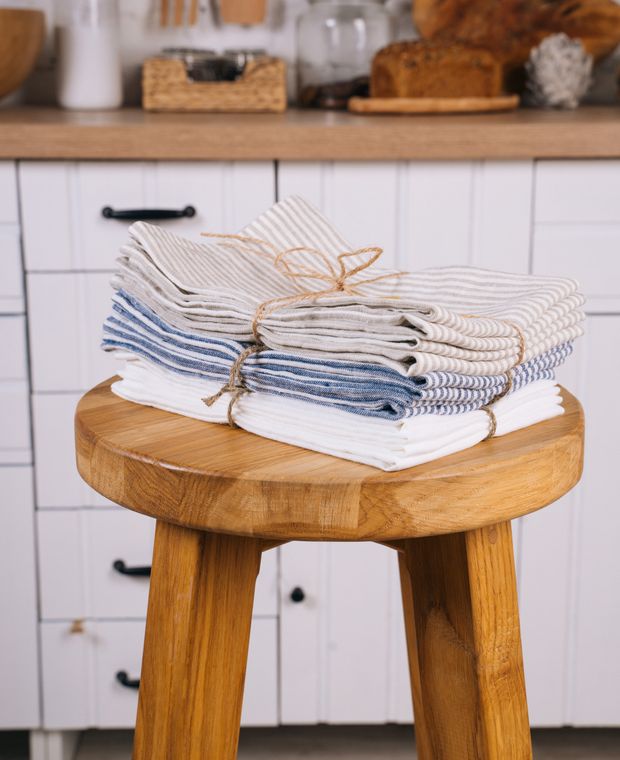 Textiles in contact with food: what food-safe means for cloths
Muslin, cheesecloth and lemon wraps touch food directly. Here is what food-safe certification means for a textile and what a buyer should ask to see.
Softeners and easy-care finishes on cotton: gains and costs
Softeners and easy-care finishes change how cotton feels and how it looks after washing. Both come with trade-offs worth knowing before you specify them.
Textiles in contact with food: what food-safe means for cloths
Muslin, cheesecloth and lemon wraps touch food directly. Here is what food-safe certification means for a textile and what a buyer should ask to see.
Softeners and easy-care finishes on cotton: gains and costs
Softeners and easy-care finishes change how cotton feels and how it looks after washing. Both come with trade-offs worth knowing before you specify them.
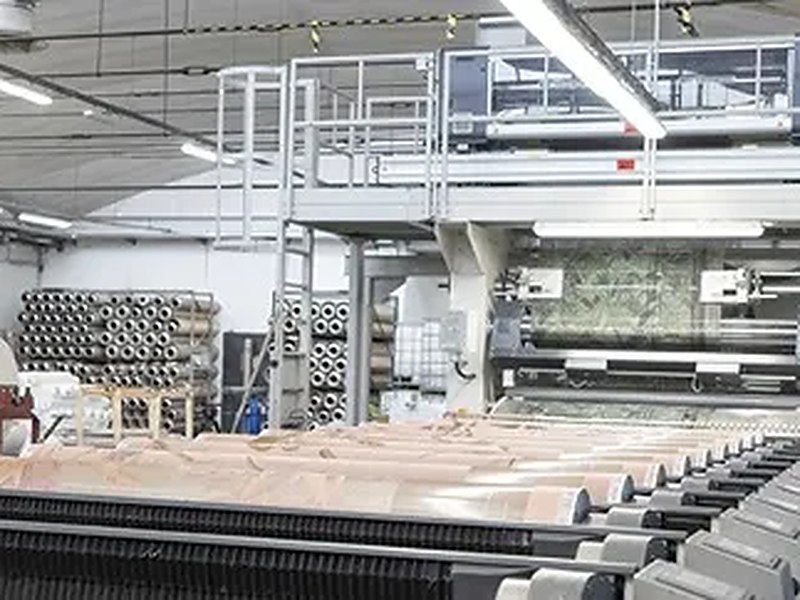 Minimum order quantities: digital vs rotary printing
A minimum order is not an arbitrary number. It reflects the fixed work each process needs before the first saleable metre, and that work is very different for digital and rotary.
Minimum order quantities: digital vs rotary printing
A minimum order is not an arbitrary number. It reflects the fixed work each process needs before the first saleable metre, and that work is very different for digital and rotary.
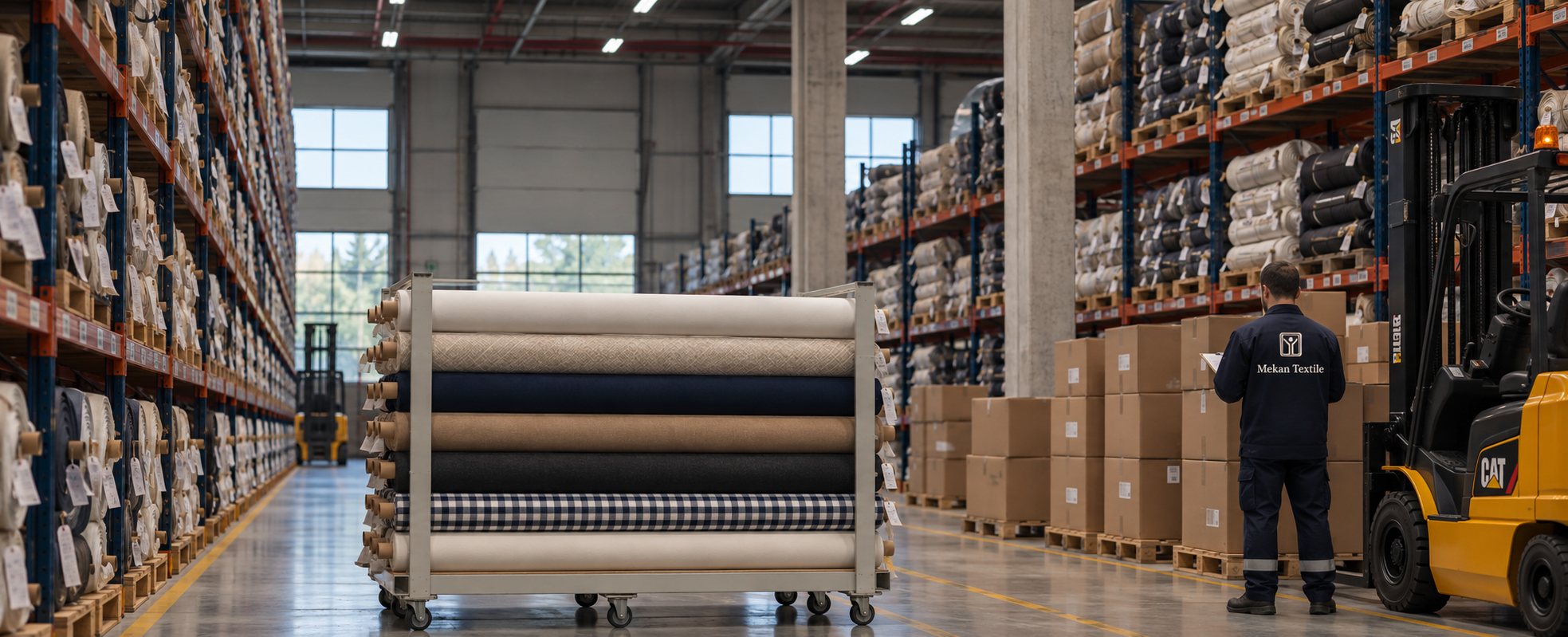 Private label home textiles: the decisions from idea to product
Private label is not just putting a logo on a stock product. These are the decisions a brand owns when it turns an idea into tea towels, aprons, curtains or bags.
Private label home textiles: the decisions from idea to product
Private label is not just putting a logo on a stock product. These are the decisions a brand owns when it turns an idea into tea towels, aprons, curtains or bags.
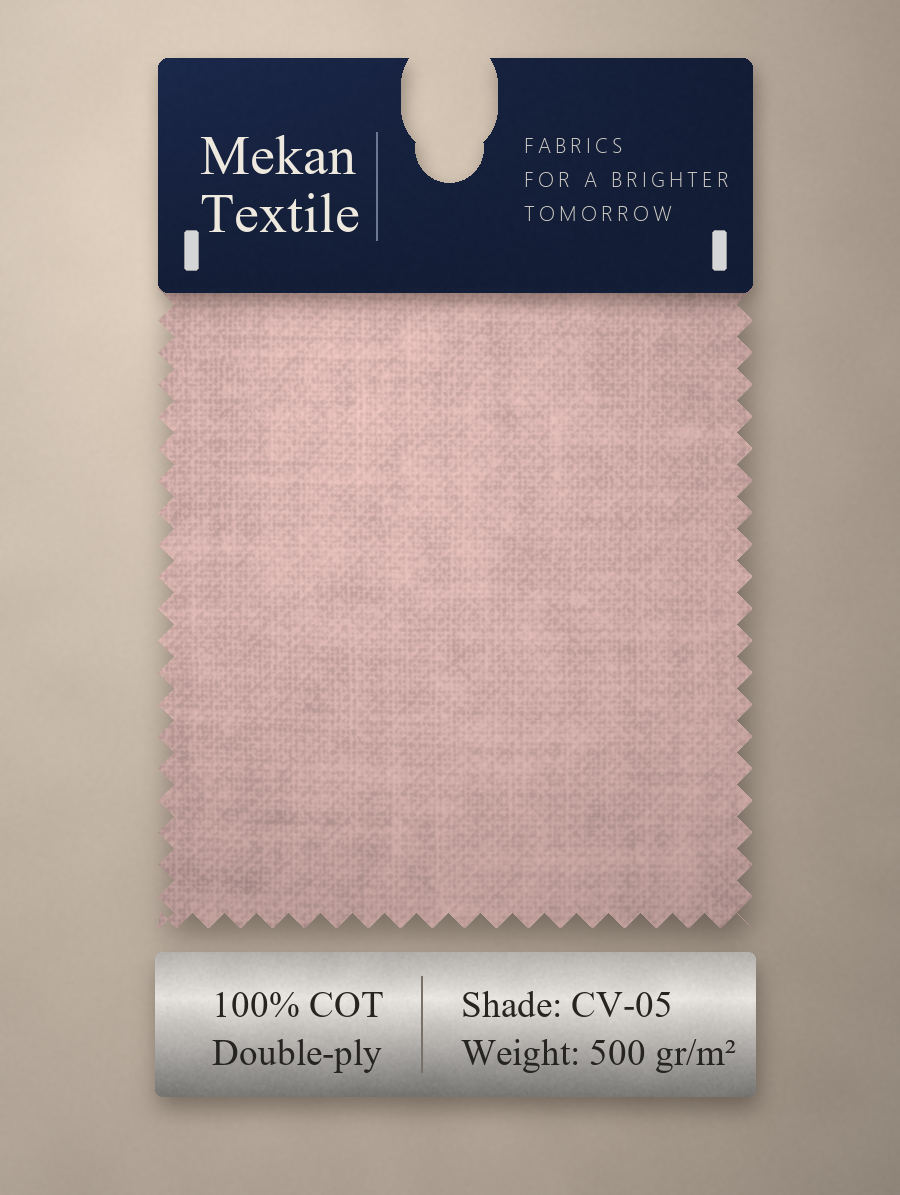 How to read a fabric swatch card
A swatch card packs a fabric's specification into a few lines. Here is what each line means and how to read the tolerances.
How to read a fabric swatch card
A swatch card packs a fabric's specification into a few lines. Here is what each line means and how to read the tolerances.
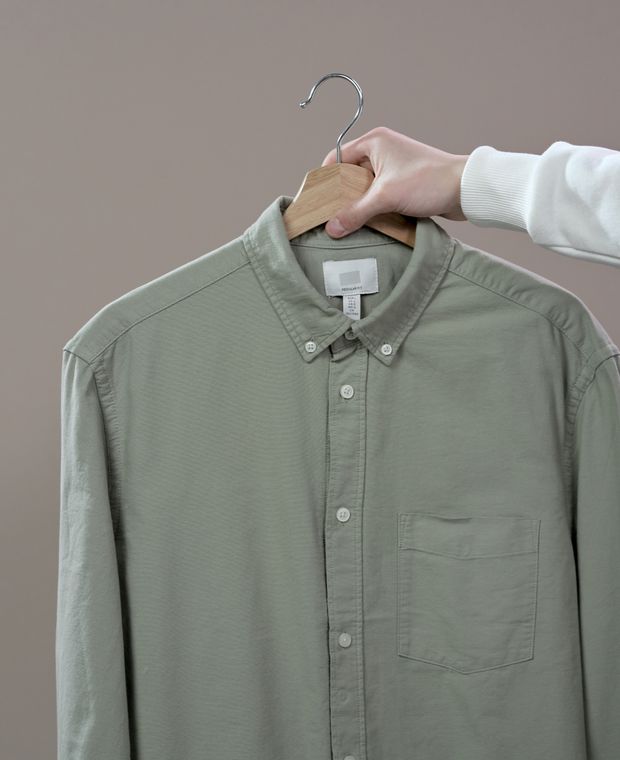 Ironing cotton shirts: temperature by weight and blend
Cotton takes a hot iron, but a light 85 gsm poplin and a stretch blend do not want the same treatment. A guide to heat, steam and order by fabric.
Ironing cotton shirts: temperature by weight and blend
Cotton takes a hot iron, but a light 85 gsm poplin and a stretch blend do not want the same treatment. A guide to heat, steam and order by fabric.
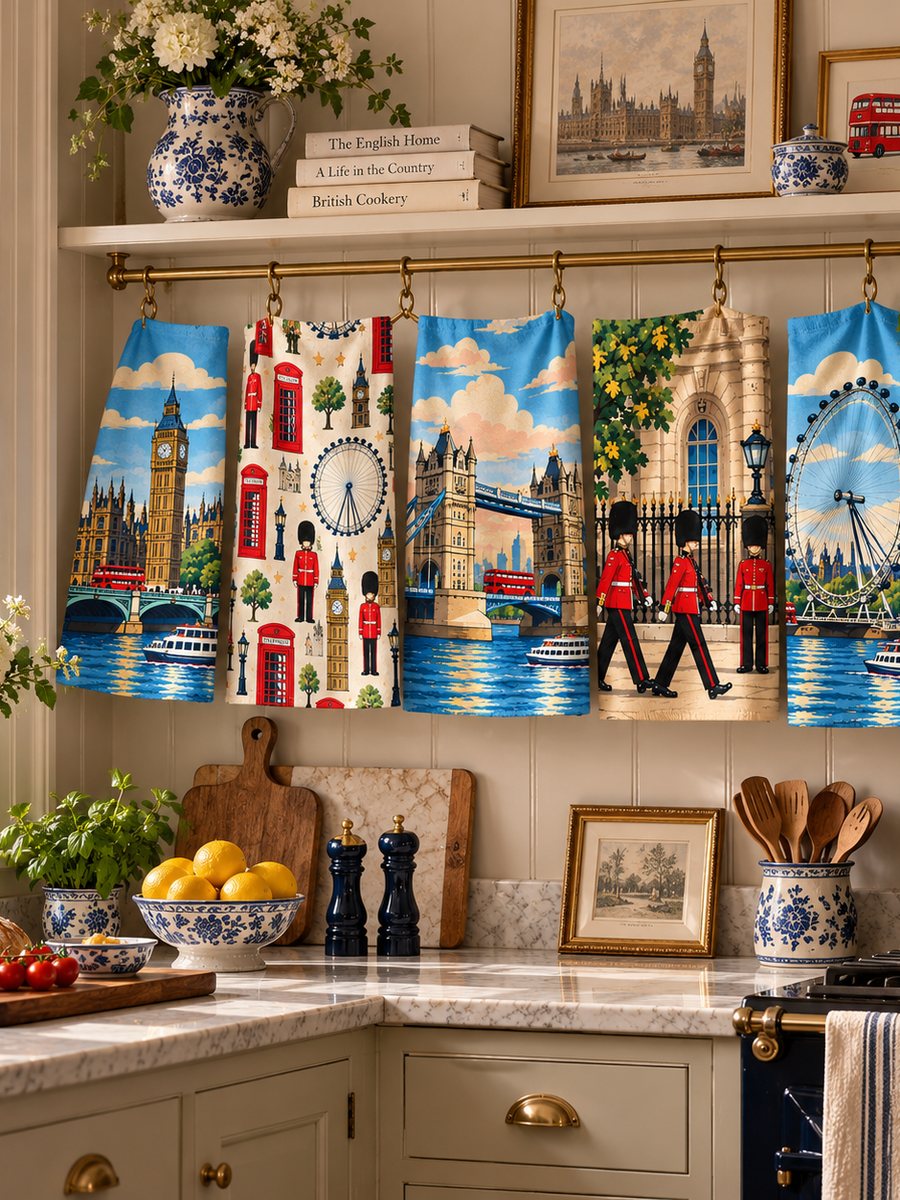 Care labels for printed cotton home textiles
A care label is a promise about how a product will survive washing. For printed cotton, it should be based on tests, not habit.
Care labels for printed cotton home textiles
A care label is a promise about how a product will survive washing. For printed cotton, it should be based on tests, not habit.